A brief history of flash fiction plus three acclaimed novelists who have written in the ‘hardest form’- (with links to their stories.)
Flash fiction is a compressed short story, instantly immersive and compelling to read. But is it new? No.
The extreme short story wasn’t always referred to as ‘flash’ fiction. The term is relatively new. It’s also known as short fiction, short-shorts, very short stories and so on. The idea of ‘flash’ wasn’t coined until the 1990s when the US author and editors James Thomas and Robert Shapard needed a title for what became the seminal anthology, Flash Fiction: 72 very short stories. They, and editors Denise Thomas and Tom Hazuka were looking for a term to describe a particularly intense kind of short story, roughly 300 to 1000 words. They landed on ‘flash fiction’ to describe a story in which “there would be no enforced pause in the reader’s concentration, no break in the field of vision.” The anthology includes works by Joyce Carol Oates, Margaret Atwood, Raymond Carver and Richard Brautigan, and none are much longer than 750 words.
I think the term caught on in modern literature for a number of reasons.
- It captures the form well. That flashbulb or bolt-of-lightning effect that lights up a moment and then lingers.
- It distinguishes the very concentrated short story from longer, less intense short stories. It’s a specific style. While all flash fictions are short stories, not all short stories are flash fiction.
- It’s a useful marketing term, in that it’s memorable. You know what you’re getting.
Flash fiction is most definitely not a new form of writing.
It’s a controversial opinion in the flash fiction writing community but I think it’s true it’s a good gateway into reading if you have a short attention span as people like to suggest. It is immersive quickly if you’re struggling to get into longer books for whatever reason. But it’s actually aimed at deep reading. It invites consideration; a collaboration and intimate relationship with the words on the page, much like poetry. It offers endless opportunities for experimentation. It’s designed for the thoughtful reader. It’s designed to sink its teeth in.
“Like all fiction that matters, their success depends not on their length, but their depth, their clarity of vision, their human significance…”
– James Thomas.
Here are three writers of note who worked/work in the shortest form.
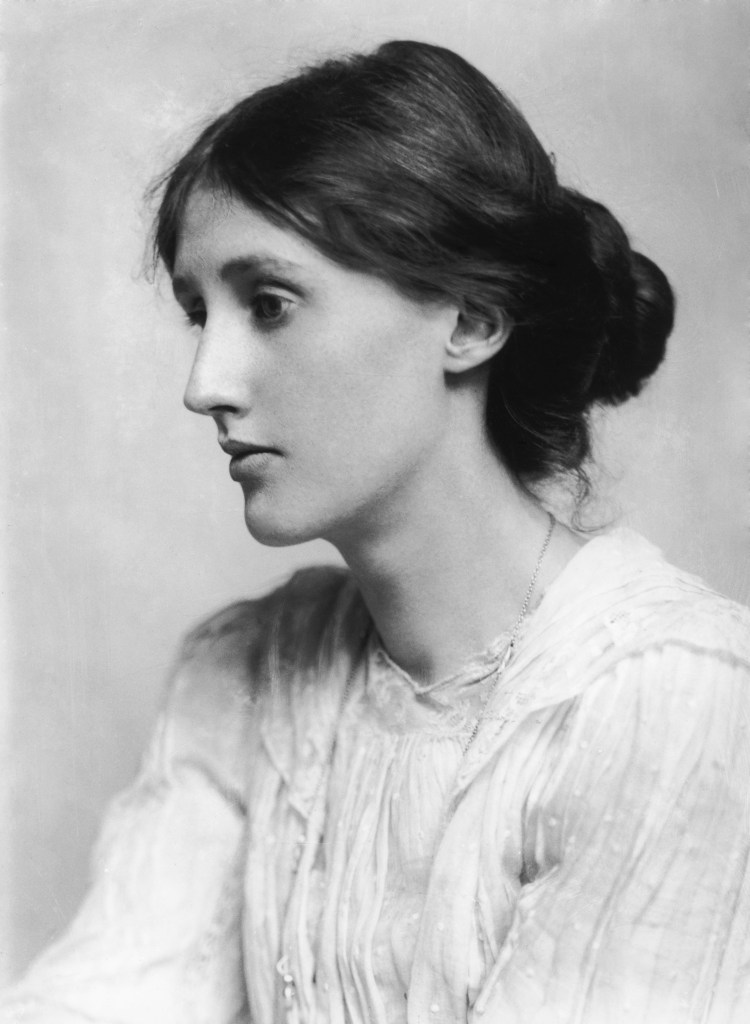
Virginia Woolf: One of the most influential modernist authors in history, Virginia Woolf wasn’t afraid to experiment with length as well as style. She stretched time, interrogated ordinary moments and used stream of consciousness as a narrative tool, writing that life “is not a series of gig lamps, symmetrically arranged,” but more like “a luminous halo … surrounding us from the beginning of consciousness to the end.” While she’s known for her novels, including The Waves, Orlando and To the Lighthouse, she wrote many short fictions, including Blue and Green (250 words) and Monday or Tuesday (304 words.) She called them her ‘sketches’ and ‘reveries’ and A Haunted House at just over 700 words is one of her best. It was published after her death in 1921.
George Saunders: If it wasn’t for his best selling novel, Lincoln in the Bardo winning the Man Booker Prize, George Saunders would almost certainly be better known as a writer of short stories than a novelist. In Story Club, his Substack newsletter about the craft of writing, Saunders describes flash fiction as ‘the hardest form.’ Saunders observes that the restricted word count of short-short stories forces the writer to make thousands of small line-level decisions. It relies on symbolism and making every word count. He rightly says the great challenge of very short fiction is to create a tiny narrative with the structure of a longer story. His 392 word flash fiction, Sticks is a masterclass and the shortest of his short stories.
Yasunari Kawabata: The spare and lyrical prose of 20th century modernist writer, Yasunari Kawabata won him the Nobel Prize for Literature in 1968, the first Japanese writer to receive the honour. He was a leader of the movement towards ‘art for art’s sake’ in literature. His novel Snow Country published in 1934, is widely recognised as a masterpiece. He disdained neat sentimental endings or conclusions that offered moral lessons, preferring to focus on epiphanies and suggestion. He felt the small, ordinary moments of life along the way were more important than the ending. It was these ordinary moments that became his exquisite palm-of-the-hand stories, each only a few pages long at most. Unlike Virginia Woolf, who developed the divine Mrs Dalloway out of a short story, Kawabata rewrote Snow Country as a palm-of-the-hand story after the acclaimed novel was published. Here’s The Grasshopper and the Bell Cricket, published originally in 1924 and at around 1000 words, one of his longer palm-sized works.
If this were a more comprehensive list, it would include writers like Franz Kafka, Anton Chekhov, Ernest Hemingway, Lydia Davis as well as newer masters of the form like Kathy Fish, Jamaica Kincaid, Pamela Painter, Kit de Waal, Amy Hempel, Kim Chinquee and many others. There’s so much available for free online.
Why I love writing and reading tiny stories.
There’s something about the restriction of a tight container that I find liberating. The confinement of word count sparks rather than restricts creativity. If you give me a pen and paper and a quiet room and tell me I can write anything I like, any length I like about anything I like, I wouldn’t know where to start. Ask for 700 words on Lou Reed on a bus or 100 words on an old photo in a handbag or 1000 on Helen Garner living in a letterbox and I’m off and running.
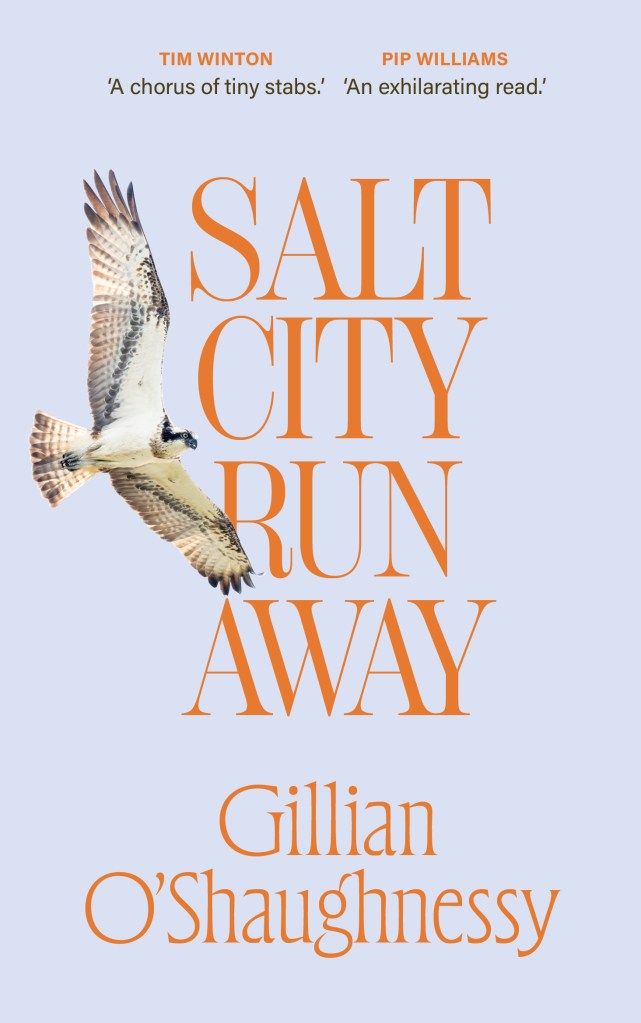
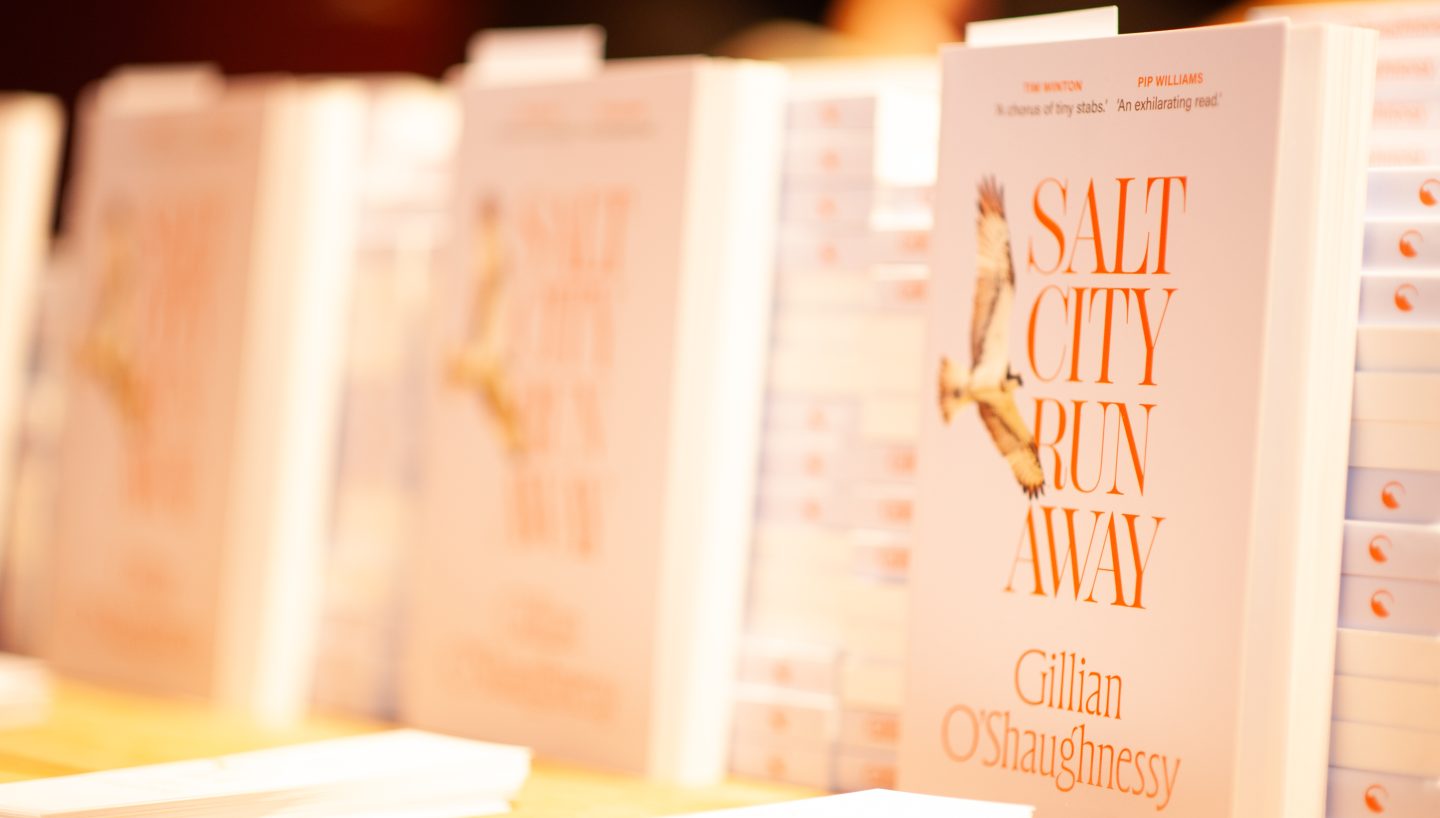
You can read about them in Salt City Runaway, my flash fiction collection of 50 tiny tales with teeth out now with Night Parrot Press. You can pick up a copy here, it’s available on e-book for all the major e-readers or ask for it at your favourite independent bookshop.