Virginia Woolf and other writers of renown who wrote ‘flash’ fiction.

A brief history of flash fiction plus three acclaimed novelists who have written in the ‘hardest form’- (with links to their stories.)
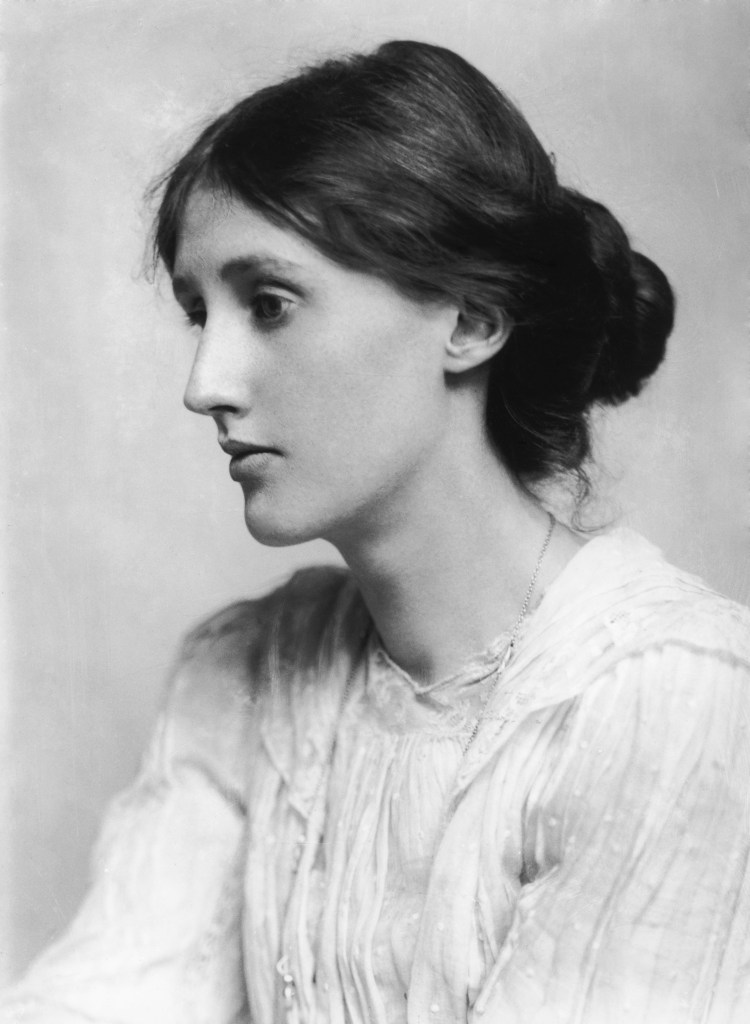
English novelist and critic Virginia Woolf (1882 – 1941), 1902. (Photo by George C. Beresford/Hulton Archive/Getty Images)

Flash fiction is a compressed short story, instantly immersive and compelling to read. But is it new? No.

Of course, the extreme short story wasn’t always referred to as ‘flash’ fiction. The name is relatively new. It’s also known as short fiction, short-shorts, very short stories and so on. The term ‘flash’ wasn’t coined until the 1990s when the US author and editor, James Thomas needed a title for what became the seminal anthology,  Flash Fiction: 72 very short stories. He, and editors Denise Thomas and Tom Hazuka were looking for a term to describe a particularly intense kind of short story, roughly 300 to 1000 words. They were called ‘flash fiction’ because it described a story in which “there would be no enforced pause in the reader’s concentration, no break in the field of vision.” The anthology includes works by Joyce Carol Oates, Margaret Atwood, Raymond Carver and Richard Brautigan, and none are much longer than 750 words.

I guess the term caught on for a few reasons.

  • It captures the form well. That flashbulb or bolt-of-lightning effect that lights up a moment and then lingers.
  • It distinguishes the very concentrated short story from longer, less intense short stories. It’s a specific style. While all flash fictions are short stories, not all short stories are flash fiction.
  • It’s a good marketing term, in that it’s memorable, (if perhaps, a little flippant.)

Flash fiction is most definitely not a new form of writing.

It’s true that it’s great if you have a short attention span for reading as people like to suggest. It is immersive quickly if you’re struggling to get into longer books for whatever reason. But it’s actually aimed at deep reading. It invites a collaboration and intimate relationship with the words on the page, much like poetry. It offers endless opportunities for experimentation. It’s designed for the thoughtful reader. It’s designed to sink its teeth in.

“Like all fiction that matters, their success depends not on their length, but their depth, their clarity of vision, their human significance…”

– James Thomas.

Here are three writers of note who worked/work in the shortest form.

Virginia Woolf: One of the most influential modernist authors in history, Virginia Woolf wasn’t afraid to experiment with length as well as style. She stretched time, interrogated ordinary moments and used stream of consciousness as a narrative tool, writing that life “is not a series of gig lamps, symmetrically arranged,” but more like “a luminous halo … surrounding us from the beginning of consciousness to the end.” While she’s known for her novels, including The Waves, Orlando and To the Lighthouse, she wrote many short fictions, including Blue and Green (250 words) and Monday or Tuesday (304 words.) She called them her ‘sketches’ and ‘reveries’ and A Haunted House at just over 700 words is one of her best. It was published after her death in 1921.

George Saunders: If it wasn’t for his best selling novel, Lincoln in the Bardo winning the Man Booker Prize, George Saunders would almost certainly be better known as a writer of short stories than a novelist. In Story Club, his Substack newsletter about the craft of writing, Saunders describes flash fiction as ‘the hardest form.’ Saunders observes that the restricted word count of short-short stories forces the writer to make thousands of small line-level decisions. It relies on symbolism and making every word count. He rightly says the great challenge of very short fiction is to create a tiny narrative with the structure of a longer story. His 392 word flash fiction, Sticks is a masterclass and the shortest of his short stories.

Yasunari Kawabata: The spare and lyrical prose of 20th century modernist writer, Yasunari Kawabata won him the Nobel Prize for Literature in 1968, the first Japanese writer to receive the honour. He was a leader of the movement towards ‘art for art’s sake’ in literature. His novel Snow Country published in 1934, is widely recognised as a masterpiece. He disdained neat sentimental endings or conclusions that offered moral lessons, preferring to focus on epiphanies and suggestion. He felt the small, ordinary moments of life along the way were more important than the ending. It was these ordinary moments that became his exquisite palm-of-the-hand stories, each only a few pages long at most. Unlike Virginia Woolf, who developed the divine Mrs Dalloway out of a short story, Kawabata rewrote Snow Country as a palm-of-the-hand story after the acclaimed novel was published. Here’s The Grasshopper and the Bell Cricket, published originally in 1924 and at around 1000 words, one of his longer palm-sized works.

If this were a more comprehensive list, it would include writers like Franz Kafka, Anton Chekhov, Ernest Hemingway, Lydia Davis as well as newer masters of the form like Kathy Fish, Jamaica Kincaid, Pamela Painter, Kit de Waal, Amy Hempel, Kim Chinquee and many others. There’s so much available for free online.

Why I love writing and reading tiny stories.

There’s something about the restriction of a tight container that I find liberating. The confinement of word count sparks rather than restricts creativity. If you give me a pen and paper and a quiet room and tell me I can write anything I like, any length I like about anything I like, I wouldn’t know where to start. Ask for 700 words on Lou Reed on a bus or 100 words on an old photo in a handbag or 1000 on Helen Garner living in a letterbox and I’m off and running.

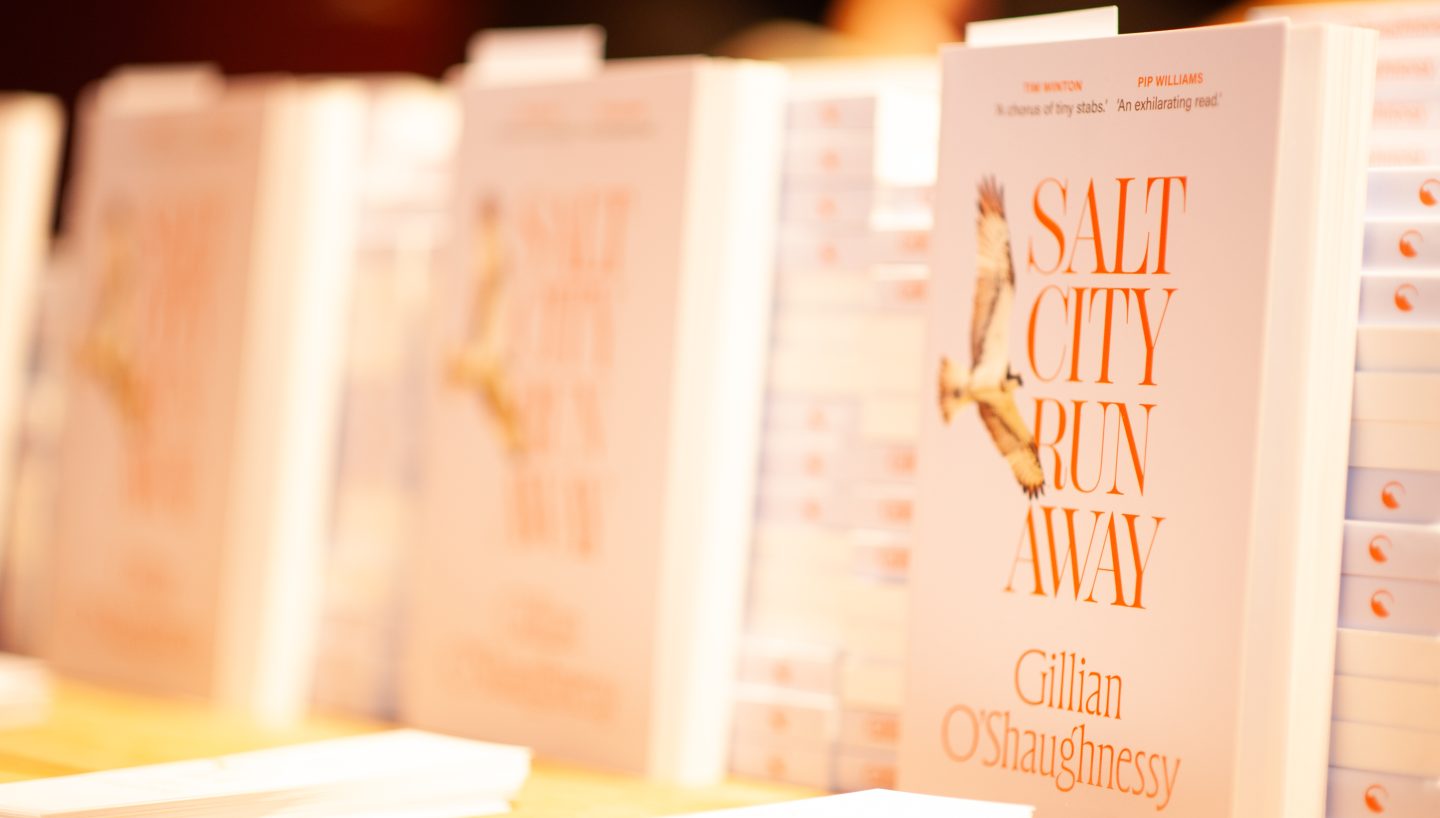
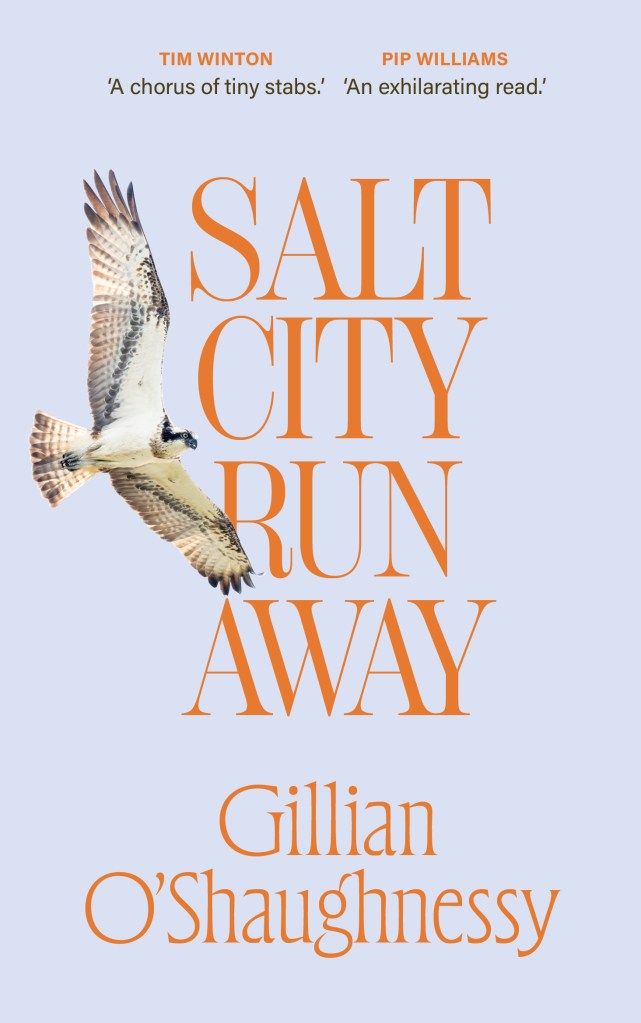
You can read about them in Salt City Runaway, my flash fiction collection of 50 tiny tales with teeth out now with Night Parrot Press. You can pick up a copy here, it’s available on e-book for all the major e-readers or ask for it at your favourite independent bookshop.
Helen Garner’s advice on writing

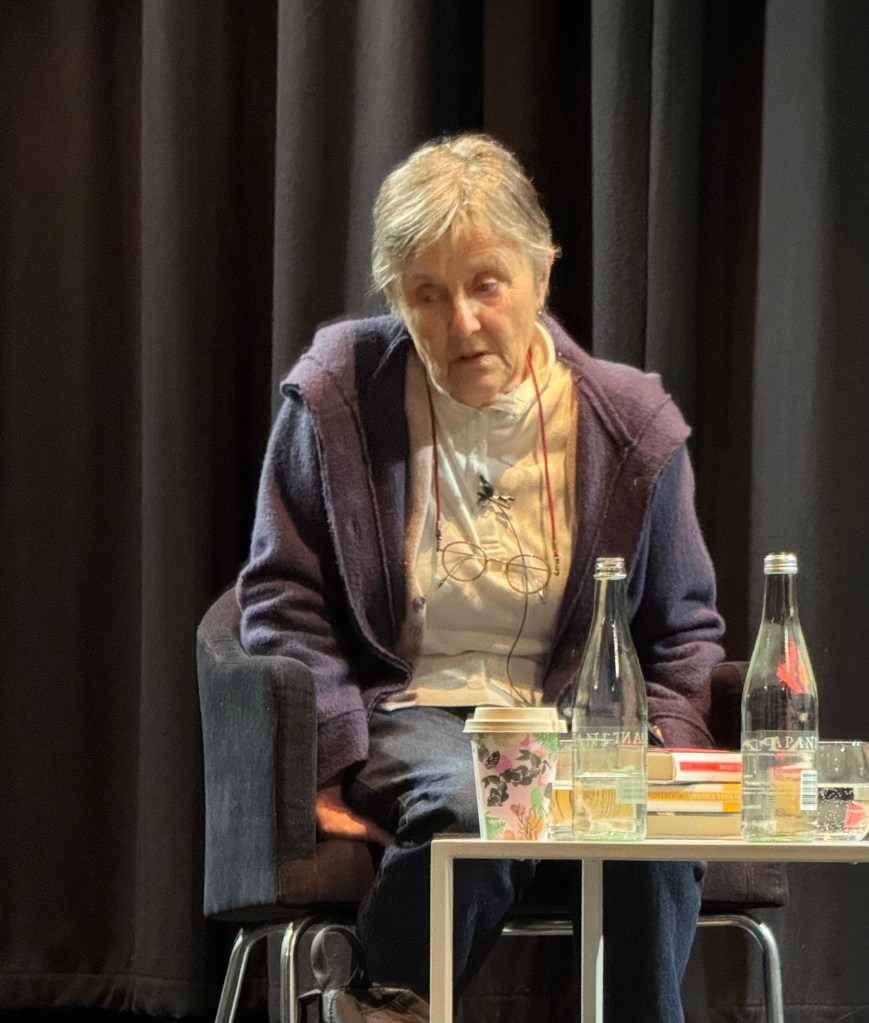
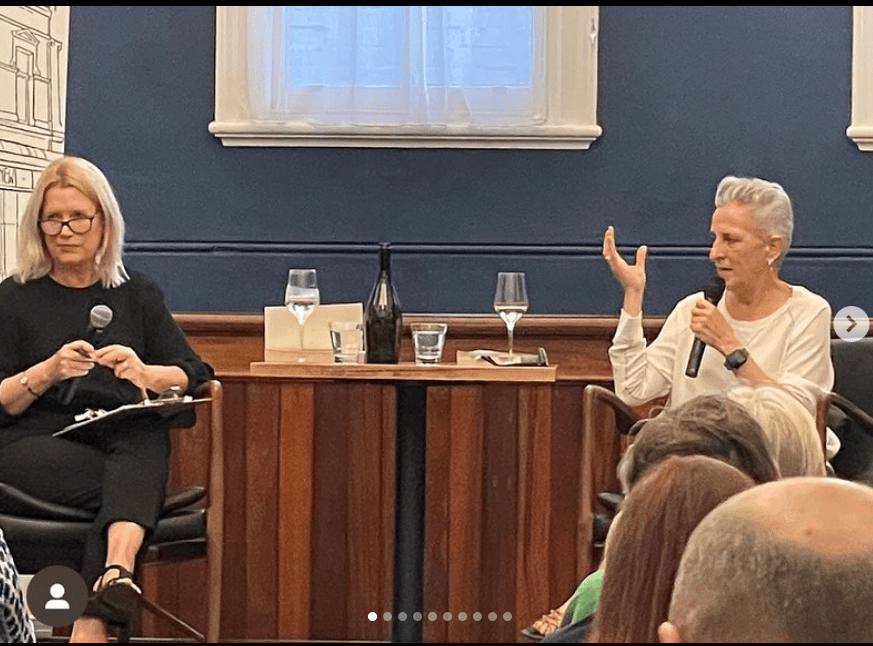
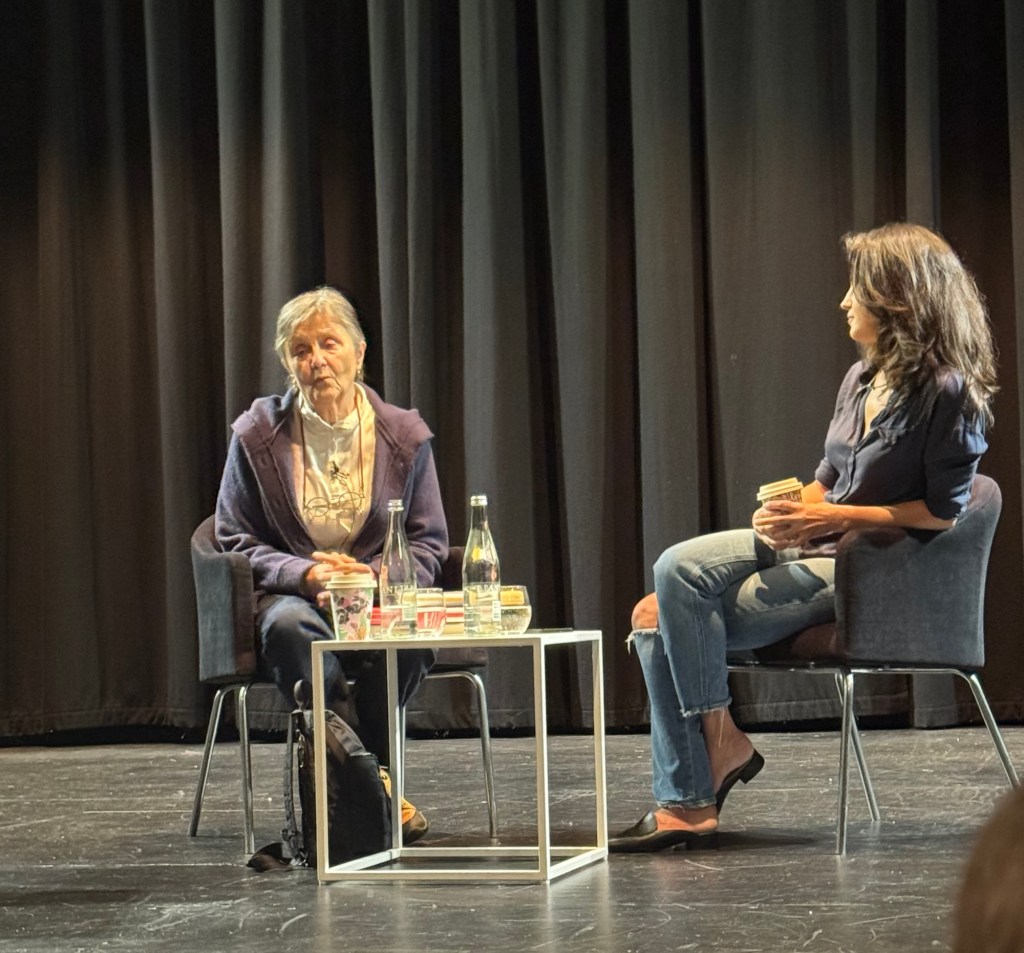
Helen Garner with Merve Emre, UWA, 2025.

Helen Garner spoke on candour: writing, aging and seeing without being seen, at a literary event in Perth supported by the Forrest Research Foundation in 2025.

I’ve just come back from seeing Helen Garner in conversation with journalist and academic, Dr Merve Emre at UWA in Perth. I took my notebook along and whipped it out when Garner was asked to talk about the best writing advice she had been given early in her career. She said, “I’ll spill my guts,” which sounded promising. I jotted down as much as I could given I have appalling shorthand skills and I was more interested in listening.

1: “I don’t like passages of exposition.”

If your writing is clear, and you trust yourself, trust the reader too, don’t “lecture them with passages and passages of exposition.”

2: “It’s really good practise to write down dreams.”

Helen Garner said she can’t understand why people have such an aversion to hearing about dreams. She is fascinated by them and writes hers down. She talked about the value of writing dreams and also the “inexplicable behaviours,” you might notice in the everyday. She recounted an observation about a professor she interviewed for The First Stone. There was an open tin of biscuits on the coffee table in his office and she took one, and then, because it was delicious, she took another. The professor pointedly replaced the lid and then assured her he hadn’t done so to prevent her from eating anymore biscuits. She didn’t believe him. Notice “dreams, slips of the tongue and inexplicable behaviours, and put them on the page, without explaining them.”

3: “Once you learn free association – bingo. A whole world opens up.”

Helen Garner said both Jung and Freudian psychoanalysis techniques have helped her writing, especially, ‘free association.’ It was developed by Freud to access the subconscious by speaking or writing without self-censorship and without editing anything that might flow naturally into your mind.

The works of essayist and journalist, Janet Malcolm has been hugely influential. Malcolm wrote frequently on psychoanalysis and, as New York Times reviewer, Joseph Edelson noted, also had a “keen eye for the surfaces – clothing, speech and furniture.” Garner herself began to write more freely, less constrained. “Up until then, I felt I’d been writing with the brakes on.”

4: Dangling modifiers “drive her mad.” Just so you know.

5: “I read everything out loud, even the shittiest piece of journalism.”

6: Helen Garner on the best writing advice she was ever given, “You use too many adverbs.”

Helen Garner, Perth 2025

Helen Garner’s latest book is The Season, published by Text Publishing.

News

Some highlights in brief of a year traveling, writing and engaged in glorious conversations. In 2024, I’m looking forward to teaching my first writing workshop at the Society of Women Writers WA, hosting at Writers Weekend for Perth Festival, the Margaret River Readers and Writers Festival, judging the Ethel Webb Bundell Award for Short Stories and hopefully, fingers crossed because I am deeply lazy, writing more short fiction.

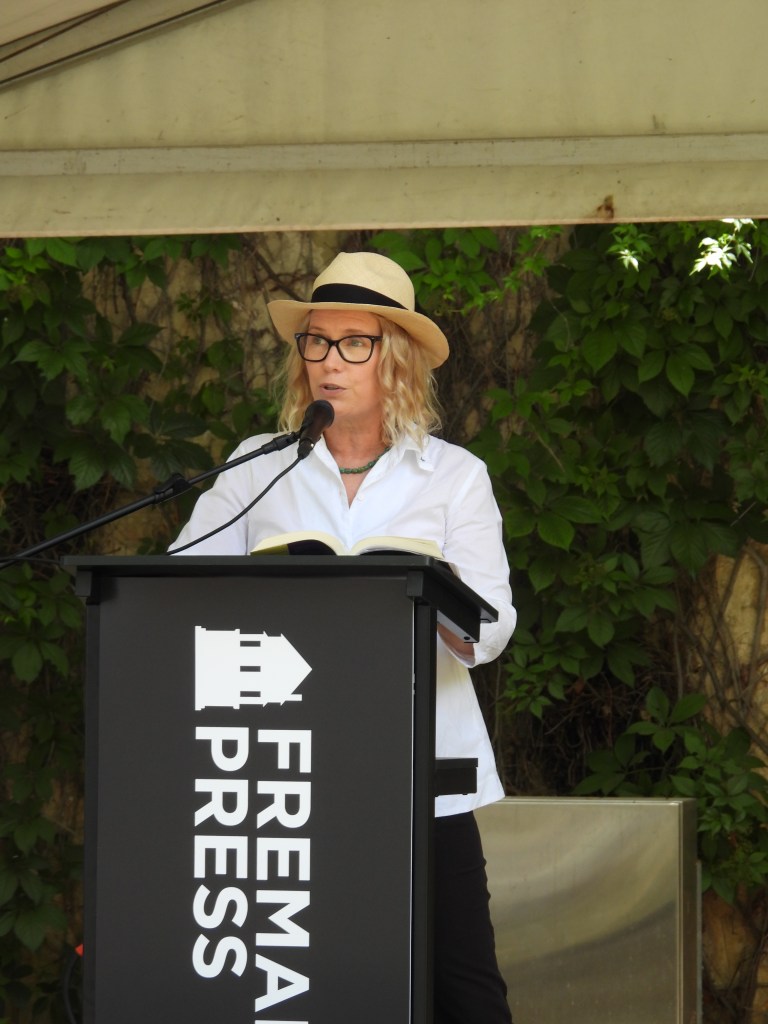
Reading from Into Your Arms, Nick Cave’s Somgs Reimagined at the Fremantle Press Author Showcase for Fremantle Arts Centre’s 50th anniversary.

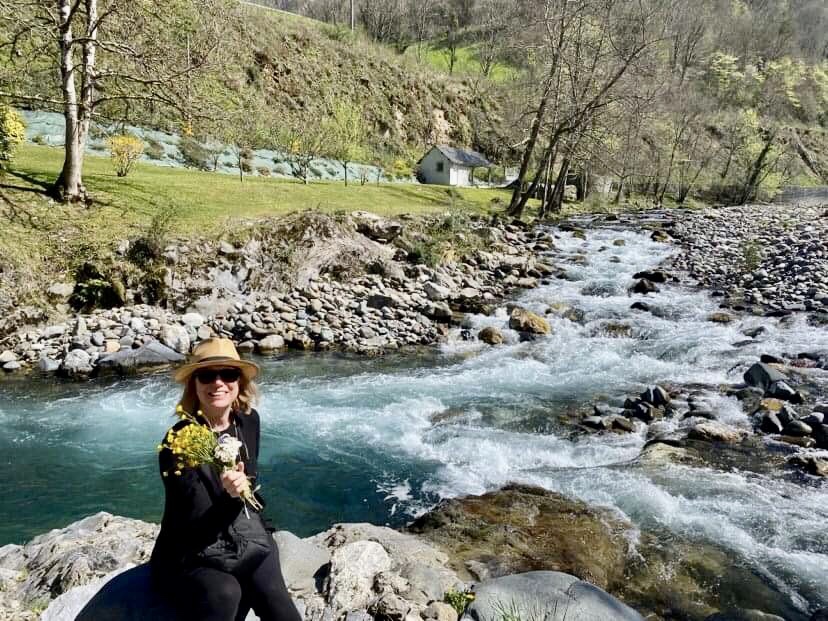
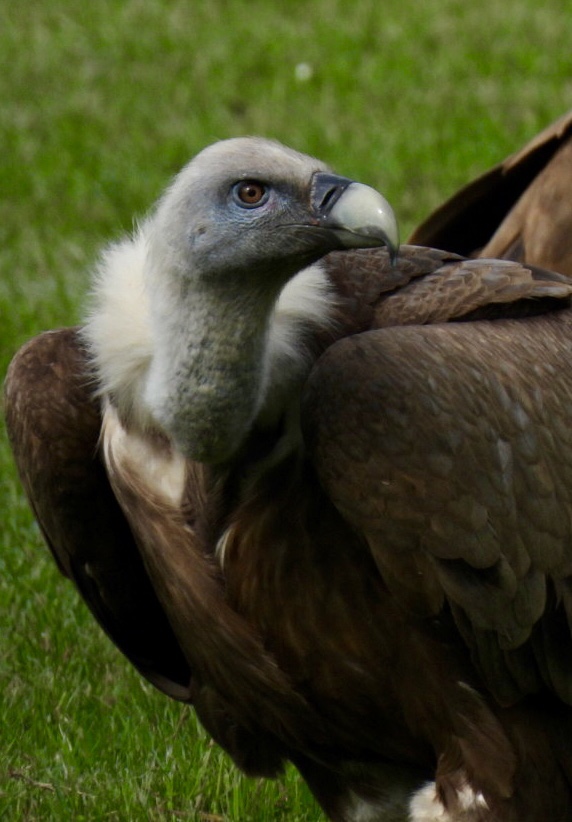
The first half of 2023 was a surreal delight. We travelled to England, Scotland, Norway, Germany and then spent five months living in France. I didn’t do a huge amount of writing, I drank too much rose, painted badly, baked bread, and stalked vultures and flamingos with my camera. I saw the ABBA Voyager concert in London with one of my beautiful best friends, Niomi. It was glorious. I spent every single day for the entire trip with my husband and I still quite like him. I might even do it all again if he asks me to.

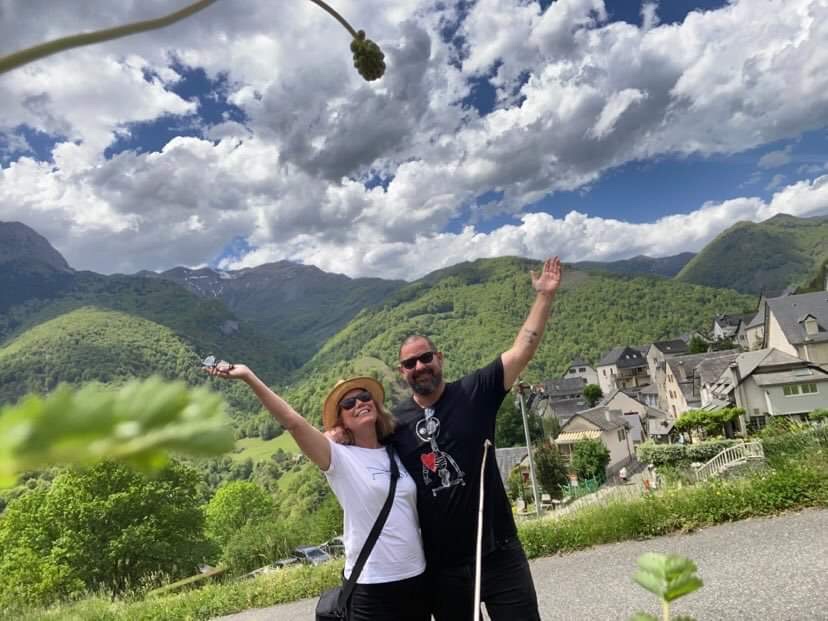
Aydius, Pyrenees France.

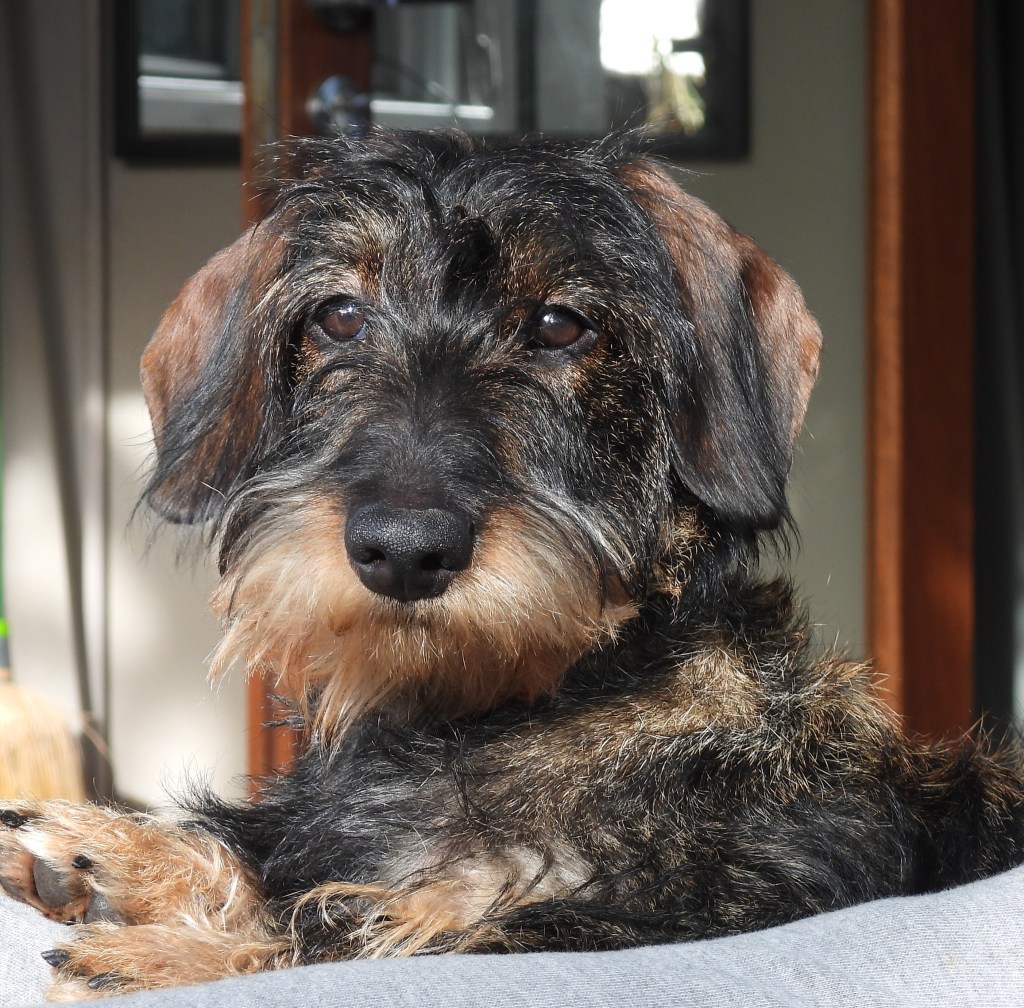
We also welcomed a new family member this year, her name is Lucy Maud Montgomery, but we call her Monty for short. She is very naughty and cheeky and I love her without end. We still miss our boys every day. When you love without measure your heart expands beyond limits, not even the universe will contain it.

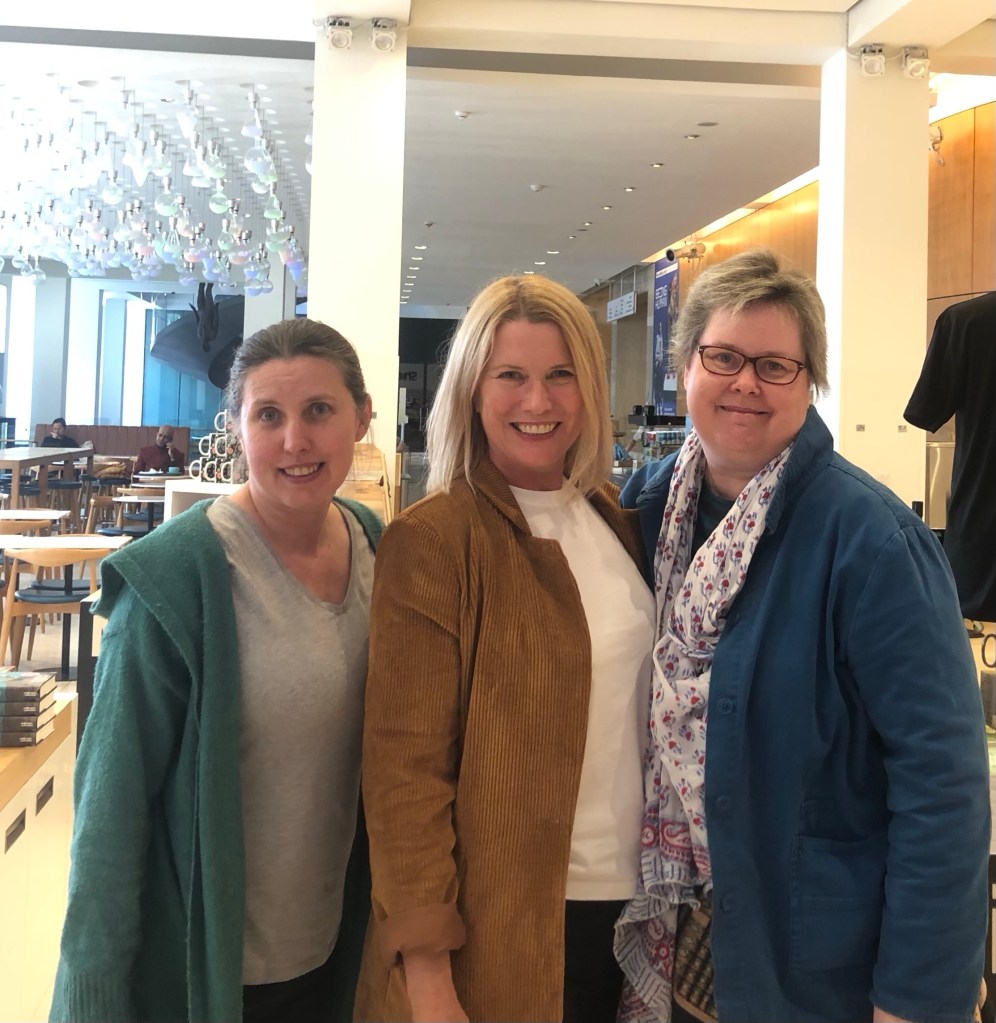
This year I have felt a little like a spiderling in my writing world of short fiction, casting my spindle webs to the winds and seeing where they drew me. I have found new and deeper connections through all my writing groups. Both here in Fremantle, with Meg, Bella and Lissy and also online with friends from all over the world providing endless encouragement, sharing skills, support and inspiration. I aspire to be half as creative and talented as every one of them. So wonderful to also meet two of my online writing friends face to face for the first time in London. I can’t say enough about finding your people. It is such a lift and beyond priceless in learning more about the craft at every level.

Writing buddies, Sara Hills (left) and Electra Rhodes (right) in London.

This year I was beyond honoured to have a story chosen for the international Best Small Fictions anthology, a collection of work from 110 authors from all over the world to showcase the best hybrid fiction in a given year. An unbelievable dream. Thank you to the editor who nominated me. I wish I could hug you. My story, In This Tale of a Suburban Tiger, the Part of the Mother is Played by a Bird was originally published in the Irish Journal, Splonk. The anthology is out this month. Find out more and preorder here.

***

I contributed five micro stories to the ravishing anthology, Into Your Arms, Nick Cave’s Songs Re-imagined, edited by Kirsten Krauth, curated by Neil A White and Mark Smith, published by Fremantle Press in late October. The Albany launch was an absolute joy. Organised by contributing author, Jon Doust, we were charmed and moved by Simon and Tammy London’s music, with Caleb and Ted, and Uncle Lester’s generous Welcome to Country and funky bass. Order here.

With author Jon Doust at the Albany Entertainment Centre for the launch of Into Your Arms, Nick Cave’s Songs Reimagined.

Thrilled to be invited to host at Writers Weekend for Perth Festival in 2024. I’ll be facilitating the panel On Beauty, talking to Christos Tsiolkas, Holden Sheppard, AJ Betts and Madison Godfrey. The event takes place on February 25th at 3pm in the Discovery Lounge at the State Library. Tickets are pay what you can but you MUST book. Full program and ticket details here.

***

It’s been a really good year for writing. I haven’t been particularly prolific, but I have had some great highlights. I won the London Independent Story Prize for Flash Fiction for a 300 word story, Let Him Bury His Face in the Dust. It will be included in a print anthology out soon. You can read my interview here. I won the Fractured Lit Anthology Prize for my story, Into the White, you can read it here. There were 20 winners chosen for the US journal’s third anthology. I came second in the UK Flash 500 Award with Pumpkin and second in Aniko Press’s short fiction competition for my Wild themed piece, 1989. I have work in the upcoming Night Parrot Press memoir anthology and New Zealand Flash Frontier.

***

Charlotte Wood spoke to me about her new book, Stone Yard Devotional in November, a mesmerising account of a woman who gives up everything, home, husband and work to go and live a cloistered existence in a monastery outside Monaro. I found the form of this book, fragmented and quiet, absolutely compelling. My pick for best book of 2023. Thanks for inviting me, New Editions Bookshop. Obviously, I am now even more in love with Charlotte than I was before which was quite a lot.

With Charlotte Wood at the Old Courthouse in Fremantle

Fantastic conversation at UWA with Anna Funder, author of Wifedom, the story of Eileen O’Shaughnessy who was married to George Orwell. It’s also the story of how patriarchy renders the work of women invisible. I loved this book. Her writing is sublime. I was in a feverish feminist rage for months after. She’s so impressive. Thank you for inviting me, Boffins Books.

***

Charlotte Ree spoke to me about her memoir and recipe book, Heartbake at the glorious Open Books in Mosman Park. Charlotte was a delight, full of raw candour and hilarious wisdom. And really good recipes. It was also one of the several times I was lucky enough to have been on the receiving end of Kristy Diffey’s biscuits. She is a baking book biscuits legend.

***

What a heart bomb! Launching AJ Bett’s new book, One Song at the Fremantle Worker’s Club. A group of teenagers have just one weekend to write and record a song to enter Triple J Unearthed High. A joy of a book about finding your own path. AJ is an incredible writer, full of intensity and passion and I love her work. I made a bad joke in my launch speech but I think I got away with it.

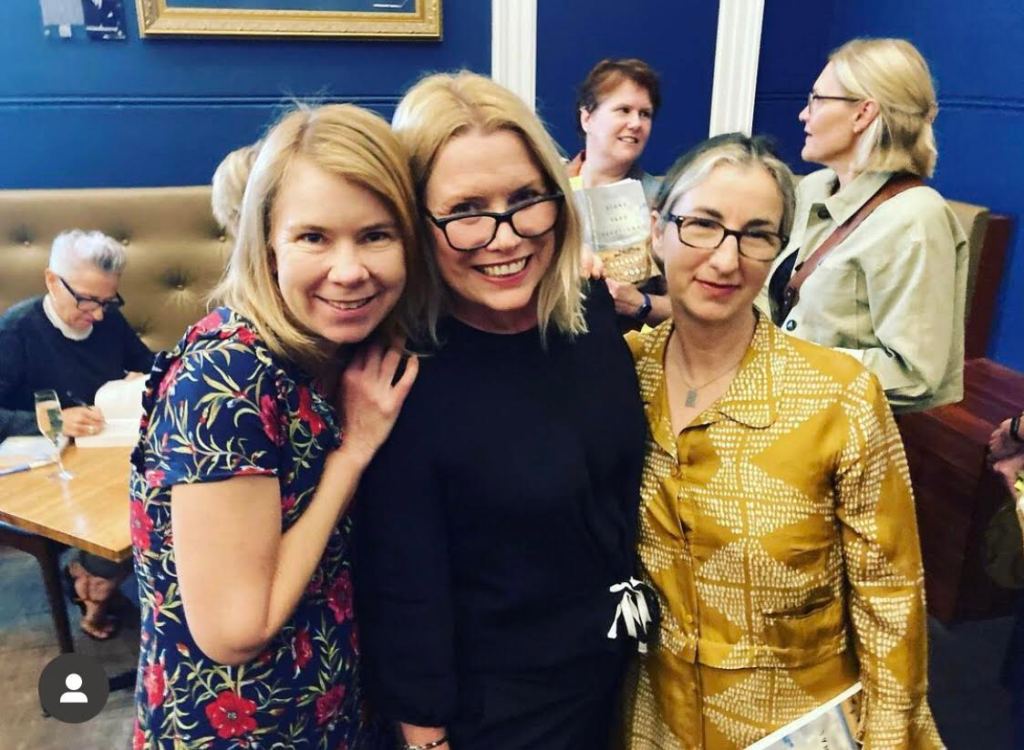
With authors, AJ Betts (left) and Belinda Rowe (right) at the Charlotte Wood event, November 2023.