Virginia Woolf and other writers of renown who wrote ‘flash’ fiction.

A brief history of flash fiction plus three acclaimed novelists who have written in the ‘hardest form’- (with links to their stories.)
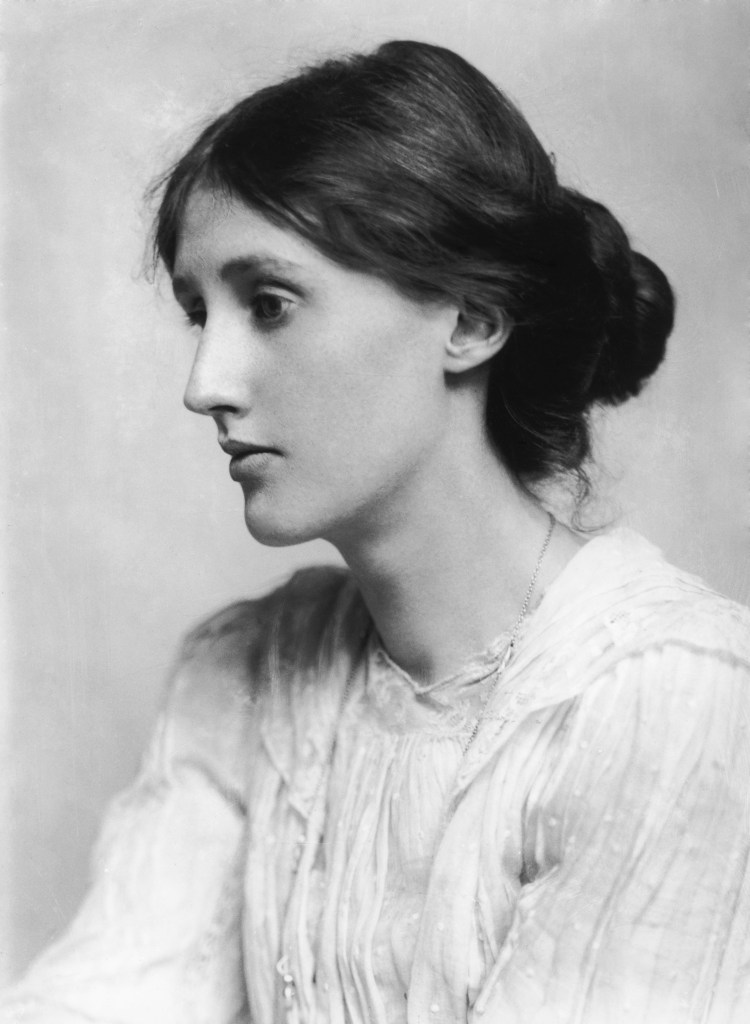
English novelist and critic Virginia Woolf (1882 – 1941), 1902. (Photo by George C. Beresford/Hulton Archive/Getty Images)

Flash fiction is a compressed short story, instantly immersive and compelling to read. But is it new? No.

Of course, the extreme short story wasn’t always referred to as ‘flash’ fiction. The name is relatively new. It’s also known as short fiction, short-shorts, very short stories and so on. The term ‘flash’ wasn’t coined until the 1990s when the US author and editor, James Thomas needed a title for what became the seminal anthology,  Flash Fiction: 72 very short stories. He, and editors Denise Thomas and Tom Hazuka were looking for a term to describe a particularly intense kind of short story, roughly 300 to 1000 words. They were called ‘flash fiction’ because it described a story in which “there would be no enforced pause in the reader’s concentration, no break in the field of vision.” The anthology includes works by Joyce Carol Oates, Margaret Atwood, Raymond Carver and Richard Brautigan, and none are much longer than 750 words.

I guess the term caught on for a few reasons.

  • It captures the form well. That flashbulb or bolt-of-lightning effect that lights up a moment and then lingers.
  • It distinguishes the very concentrated short story from longer, less intense short stories. It’s a specific style. While all flash fictions are short stories, not all short stories are flash fiction.
  • It’s a good marketing term, in that it’s memorable, (if perhaps, a little flippant.)

Flash fiction is most definitely not a new form of writing.

It’s true that it’s great if you have a short attention span for reading as people like to suggest. It is immersive quickly if you’re struggling to get into longer books for whatever reason. But it’s actually aimed at deep reading. It invites a collaboration and intimate relationship with the words on the page, much like poetry. It offers endless opportunities for experimentation. It’s designed for the thoughtful reader. It’s designed to sink its teeth in.

“Like all fiction that matters, their success depends not on their length, but their depth, their clarity of vision, their human significance…”

– James Thomas.

Here are three writers of note who worked/work in the shortest form.

Virginia Woolf: One of the most influential modernist authors in history, Virginia Woolf wasn’t afraid to experiment with length as well as style. She stretched time, interrogated ordinary moments and used stream of consciousness as a narrative tool, writing that life “is not a series of gig lamps, symmetrically arranged,” but more like “a luminous halo … surrounding us from the beginning of consciousness to the end.” While she’s known for her novels, including The Waves, Orlando and To the Lighthouse, she wrote many short fictions, including Blue and Green (250 words) and Monday or Tuesday (304 words.) She called them her ‘sketches’ and ‘reveries’ and A Haunted House at just over 700 words is one of her best. It was published after her death in 1921.

George Saunders: If it wasn’t for his best selling novel, Lincoln in the Bardo winning the Man Booker Prize, George Saunders would almost certainly be better known as a writer of short stories than a novelist. In Story Club, his Substack newsletter about the craft of writing, Saunders describes flash fiction as ‘the hardest form.’ Saunders observes that the restricted word count of short-short stories forces the writer to make thousands of small line-level decisions. It relies on symbolism and making every word count. He rightly says the great challenge of very short fiction is to create a tiny narrative with the structure of a longer story. His 392 word flash fiction, Sticks is a masterclass and the shortest of his short stories.

Yasunari Kawabata: The spare and lyrical prose of 20th century modernist writer, Yasunari Kawabata won him the Nobel Prize for Literature in 1968, the first Japanese writer to receive the honour. He was a leader of the movement towards ‘art for art’s sake’ in literature. His novel Snow Country published in 1934, is widely recognised as a masterpiece. He disdained neat sentimental endings or conclusions that offered moral lessons, preferring to focus on epiphanies and suggestion. He felt the small, ordinary moments of life along the way were more important than the ending. It was these ordinary moments that became his exquisite palm-of-the-hand stories, each only a few pages long at most. Unlike Virginia Woolf, who developed the divine Mrs Dalloway out of a short story, Kawabata rewrote Snow Country as a palm-of-the-hand story after the acclaimed novel was published. Here’s The Grasshopper and the Bell Cricket, published originally in 1924 and at around 1000 words, one of his longer palm-sized works.

If this were a more comprehensive list, it would include writers like Franz Kafka, Anton Chekhov, Ernest Hemingway, Lydia Davis as well as newer masters of the form like Kathy Fish, Jamaica Kincaid, Pamela Painter, Kit de Waal, Amy Hempel, Kim Chinquee and many others. There’s so much available for free online.

Why I love writing and reading tiny stories.

There’s something about the restriction of a tight container that I find liberating. The confinement of word count sparks rather than restricts creativity. If you give me a pen and paper and a quiet room and tell me I can write anything I like, any length I like about anything I like, I wouldn’t know where to start. Ask for 700 words on Lou Reed on a bus or 100 words on an old photo in a handbag or 1000 on Helen Garner living in a letterbox and I’m off and running.

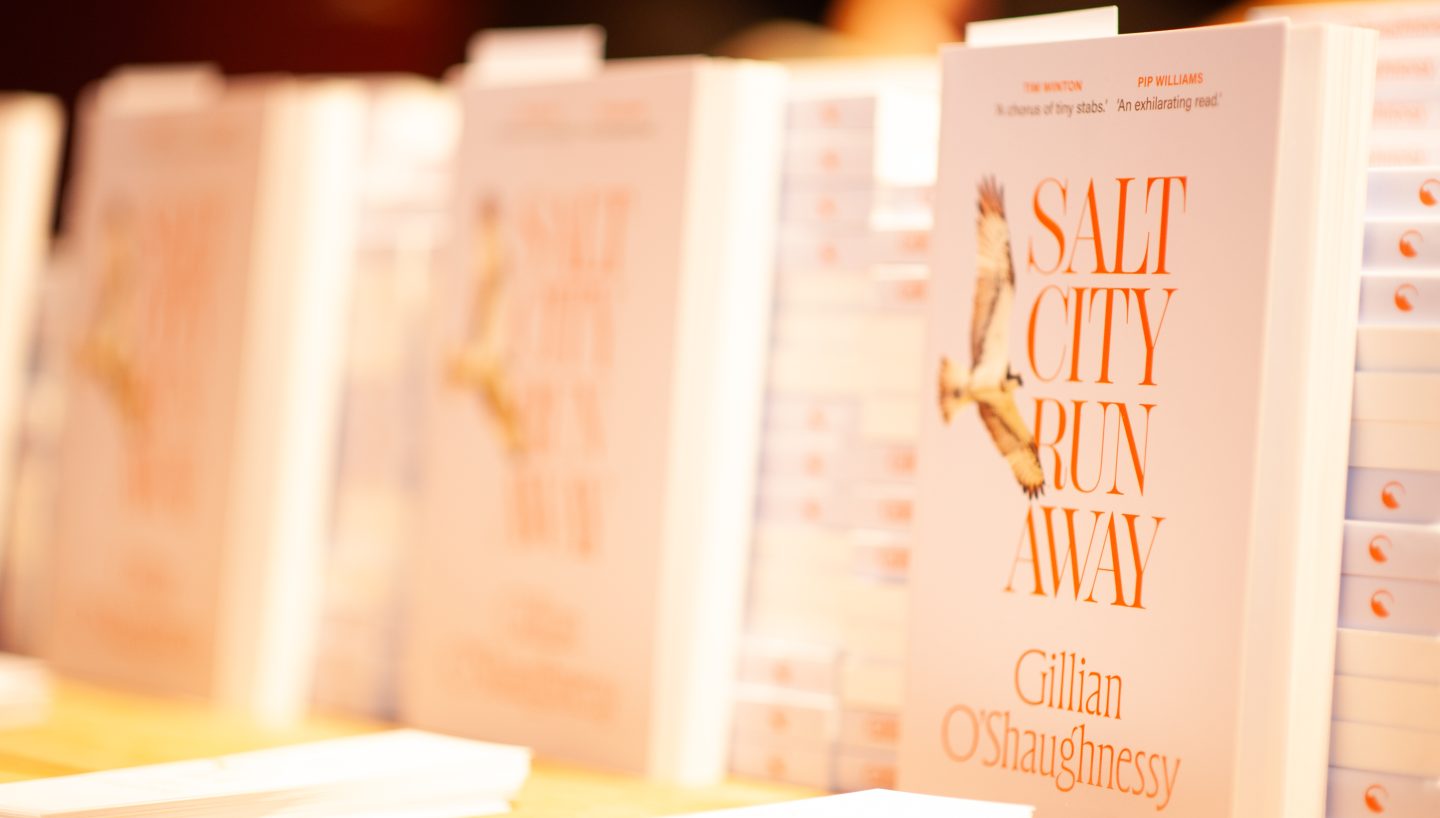
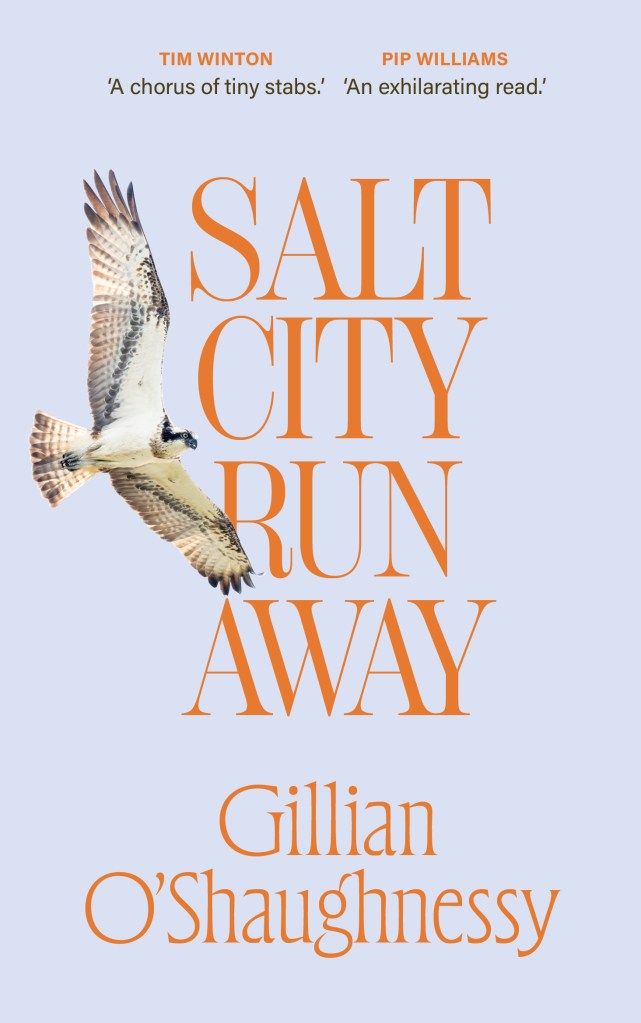
You can read about them in Salt City Runaway, my flash fiction collection of 50 tiny tales with teeth out now with Night Parrot Press. You can pick up a copy here, it’s available on e-book for all the major e-readers or ask for it at your favourite independent bookshop.
Helen Garner’s advice on writing

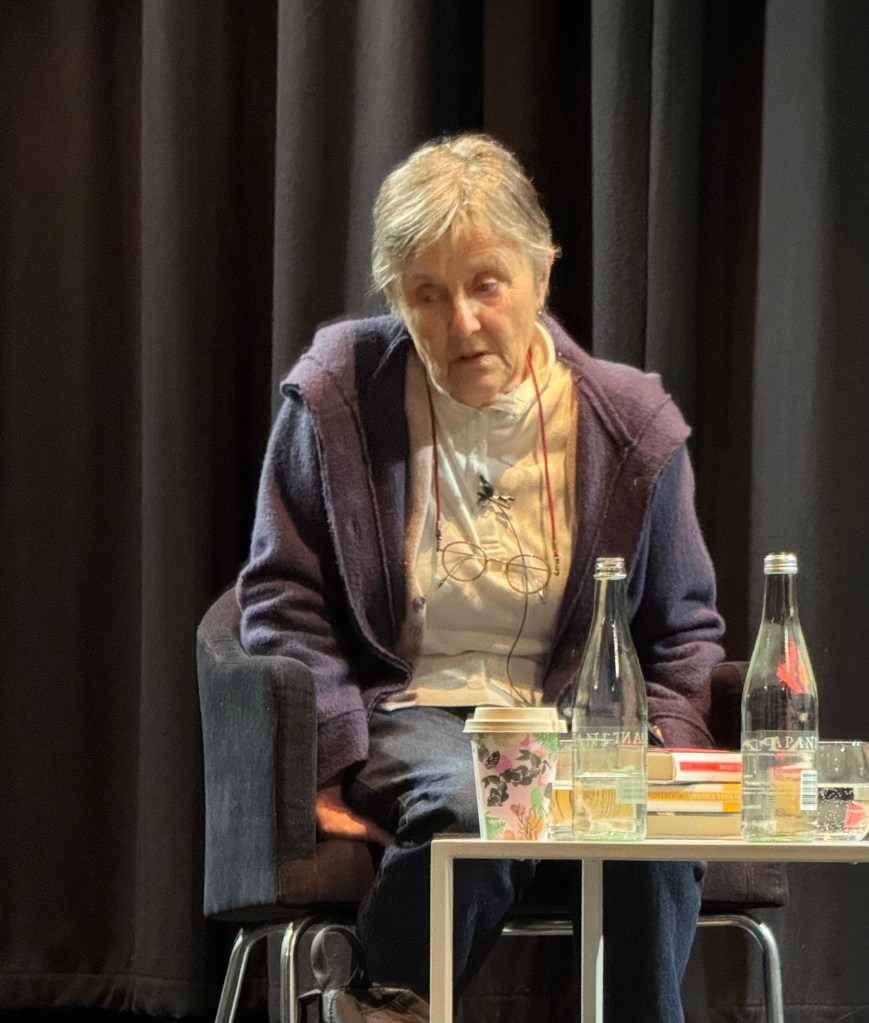
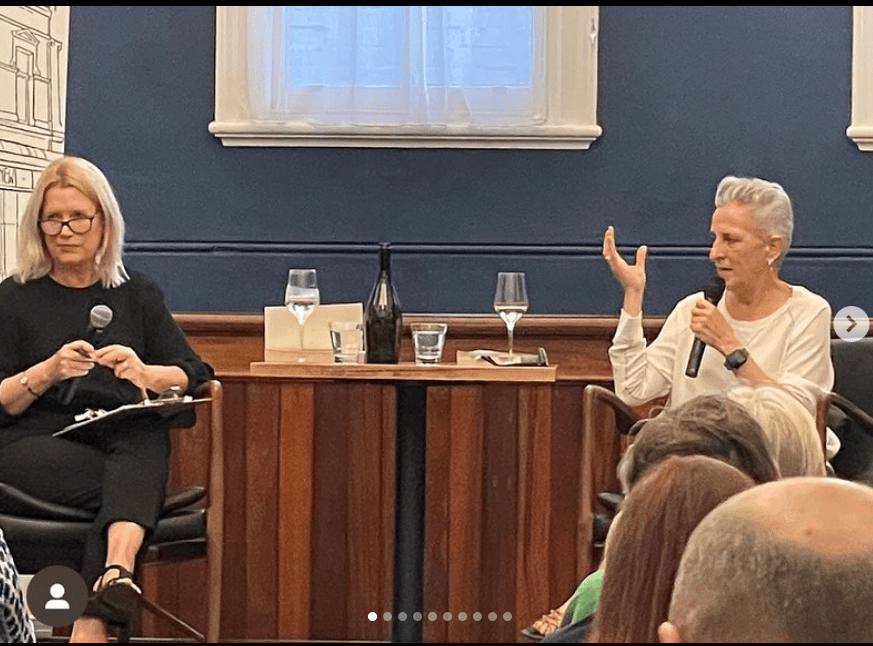
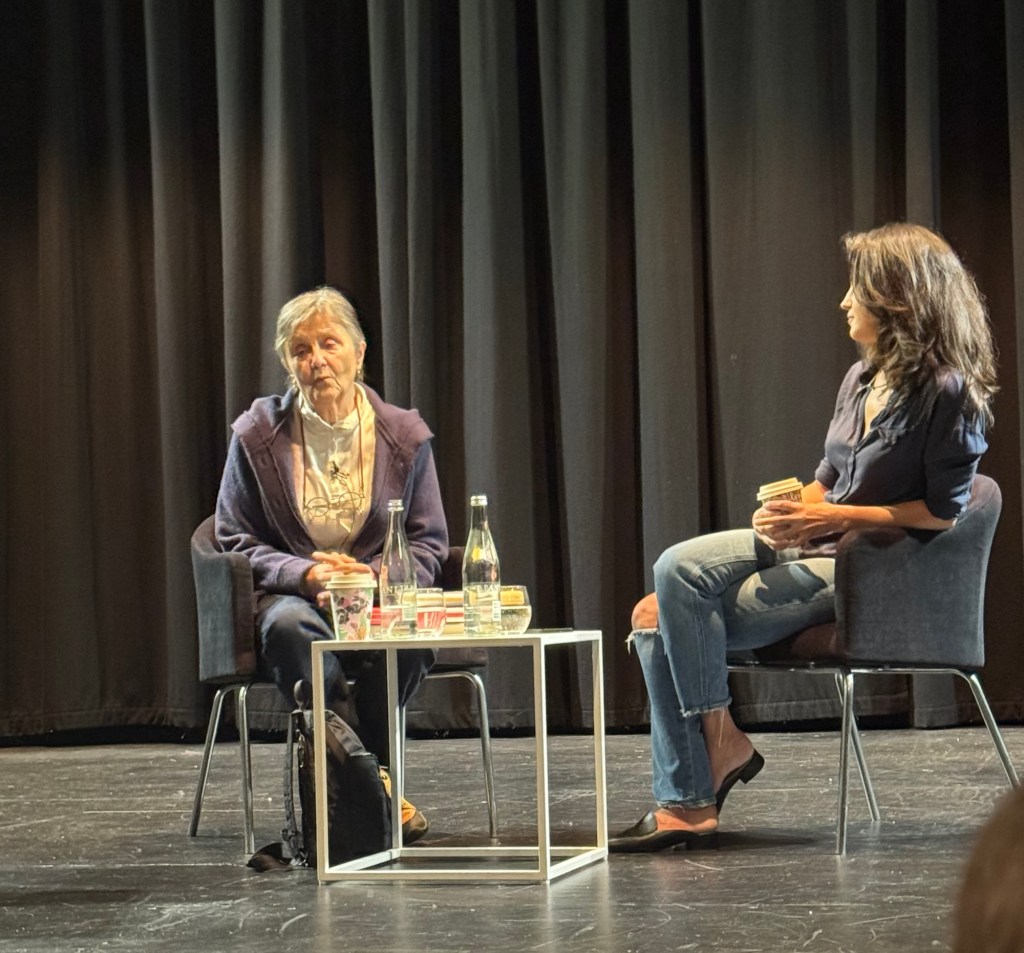
Helen Garner with Merve Emre, UWA, 2025.

Helen Garner spoke on candour: writing, aging and seeing without being seen, at a literary event in Perth supported by the Forrest Research Foundation in 2025.

I’ve just come back from seeing Helen Garner in conversation with journalist and academic, Dr Merve Emre at UWA in Perth. I took my notebook along and whipped it out when Garner was asked to talk about the best writing advice she had been given early in her career. She said, “I’ll spill my guts,” which sounded promising. I jotted down as much as I could given I have appalling shorthand skills and I was more interested in listening.

1: “I don’t like passages of exposition.”

If your writing is clear, and you trust yourself, trust the reader too, don’t “lecture them with passages and passages of exposition.”

2: “It’s really good practise to write down dreams.”

Helen Garner said she can’t understand why people have such an aversion to hearing about dreams. She is fascinated by them and writes hers down. She talked about the value of writing dreams and also the “inexplicable behaviours,” you might notice in the everyday. She recounted an observation about a professor she interviewed for The First Stone. There was an open tin of biscuits on the coffee table in his office and she took one, and then, because it was delicious, she took another. The professor pointedly replaced the lid and then assured her he hadn’t done so to prevent her from eating anymore biscuits. She didn’t believe him. Notice “dreams, slips of the tongue and inexplicable behaviours, and put them on the page, without explaining them.”

3: “Once you learn free association – bingo. A whole world opens up.”

Helen Garner said both Jung and Freudian psychoanalysis techniques have helped her writing, especially, ‘free association.’ It was developed by Freud to access the subconscious by speaking or writing without self-censorship and without editing anything that might flow naturally into your mind.

The works of essayist and journalist, Janet Malcolm has been hugely influential. Malcolm wrote frequently on psychoanalysis and, as New York Times reviewer, Joseph Edelson noted, also had a “keen eye for the surfaces – clothing, speech and furniture.” Garner herself began to write more freely, less constrained. “Up until then, I felt I’d been writing with the brakes on.”

4: Dangling modifiers “drive her mad.” Just so you know.

5: “I read everything out loud, even the shittiest piece of journalism.”

6: Helen Garner on the best writing advice she was ever given, “You use too many adverbs.”

Helen Garner, Perth 2025

Helen Garner’s latest book is The Season, published by Text Publishing.

The Great Pastie Mission

The ongoing hunt for the perfect Australian meat pastie. PS: this is not a recipe.

Exhibit A – the moderately successful pasties

It is the year of our Lord, 2025. I’ve been trying to re-create dad’s favourite pastie for what might be centuries but is probably, if I must be more specific, about 15 years. It just seems longer. My efforts recently intensified, given dad is in his 80s and undergoing treatment for a blood disease, and even the most optimistic of daughters might feel the pressing weight of time.

Not that he’s grateful. He loves nothing more than to complain about my cooking. It gives him great joy. A zest for life. He’s never looked more spritely and fresh than when he’s waxing on about how I’ve made far too much food or the flavours are too exotic or I’ve made that same thing too often. And he’s had a real fancy for a pastie for ages which has failed to materialise exactly as he prefers it. Not a Cornish pastie but the old-fashioned Australian pasties you used to be able to buy down at the local servo. His mum used to make them with vegetables and whatever offcuts of meat she could find. She had a huge old metal mincer that attached to the bench like a vice.

These kind of pasties are impossible to find. The modern pastie is either too mushy or too gourmet for dad’s tastes. He doesn’t like them ‘spicy’ which means it should contain no seasoning outside of salt and pepper, certainly no herbs, dried or fresh. He doesn’t like them too meaty, because then you may as well just eat a pie. They need to be plainly made, the vegetables diced just the right size, and the finished result preferably left to sit for a few days so the grease would soak through a paper bag should you need to store one that way.

He’s a very loved dad. I’ve tried many, many recipes trying to get it right. When I was a broadcaster, I shamelessly exploited my position on ABC Radio to conduct long talkback sessions on the subject, and plastered requests for advice all over social media. I’d think I’d finally got it, and the next time I’d visit, I’d spend hours slavishly crafting my latest test recipe. Gripped with wild hope, I’d hand over the fruits of my labour, he’d take a small suspicious bite then adopt that look of crushed disappointment parents get when their child announces they don’t want to take over the family business after all or they want to leave school and be an actor or they’re pregnant at 19. I know the look well because I did two of the aforementioned.

Then he’d scarf up the lot, musing the whole time about the many ways my pasties were lacking and the wonderful, glorious experience of eating a really well-made pastie.

The Great Australian Pastie Expert, Peter O’Shaughnessy, much loved father of three put upon daughters.

Anyway, last time I was visiting I came so close. And dad hadn’t been sitting around wondering again where he went wrong with my upbringing either. He’d got jack of waiting after all these years, and been on the Interweb, painstakingly researching methods I could employ to improve.

And by George, I think we’ve cracked it. Dad, with his gun research skills. Me, with my endless love and patience. My sisters, with their endless love and patience. As a family, each in our own way, we seem to have finally – look, I want to say shut the old goat up – but he’ll probably read this and I’m not past a clip over the ear if he can catch me.

I fed him one before tea tonight because I was frankly beside myself with excitement after I tried one myself. He was positively giddy. He didn’t grumble anyway. We agreed it needed swede, I hadn’t been able to find one for sale. But that’s ok, because we all need something to strive for. Otherwise, we agreed, it was pretty good. Huzzah!

In return for my near-success, he gifted me with a story from his boarding school years at Aquinas College in Perth when he and the lads were fed an even-more-unusually-inedible-than-usual mash of swede as part of their dinner. It was so disgusting and fibrous that the boys all refused to eat it, instead they spread the vile woody paste thinly over their plates to disguise it, then stacked the plates on top of each other at the end of their tables for collection by the kitchen staff. The staff weren’t fooled. The cook came out and insisted they finish their dinner, and again, as one, the boys refused. It was an unheard of rebellion. The headmaster, Brother Murphy was summoned and he was a man who brooked no defiance. The offending plates with their smear of swede were handed back out, notwithstanding the fact that the original owners of each plate couldn’t be established, so they landed where they landed. Still the boys refused. Brother Murphy swelled up like a blowfish and told them they were all to stay put till they cleared their plates. And stay they did. It was a good two hours before Brother Murphy decided it was more dignified to give in and send them all to bed without dessert or supper than continue to try and outlast them, or inflict corporal punishment on every single child. It wasn’t physically feasible. Dad reckons based on past experience Brother Murphy would have loved to have a shot anyway, but decided in the end there were too many of them. It was, dad fondly recalled, his first experience of a unionised force.

He tells me he’s going to talk to the people at the servo down the road tomorrow about stocking my pasties.

********

I know I said this was not a recipe, but for my own records, this is vaguely what went in to them. As it turns out, it’s a very simple recipe. My mistake was that I had been trying to be too fancy. Don’t cook the filling, add it raw and let it steam. No seasoning except for salt and lots of pepper. Not too much meat or you might as well eat a pie.

Pasties

Two potatoes, cubed into half centimetre pieces.

One carrot, cubed same size.

One swede, cubed etc etc.

One turnip, cubed etc etc.

One brown onion finely chopped.

1/4 a cup of minced lamb or beef.

Mix it all up raw in a bowl with salt and LOTS of ground black pepper, (and I’m told white pepper is even better) a good teaspoon, you should be able to taste it.

Use a bread and butter plate to cut rounds from puff pastry sheets. Put mix inside raw (don’t overfill) and a 1/4 teaspoon of butter, seal and brush with milk. Bake at 180 till brown.

While still hot, place in paper bags and leave in a bain-marie for a week till soft. (Kidding.)

A stirring in the soul

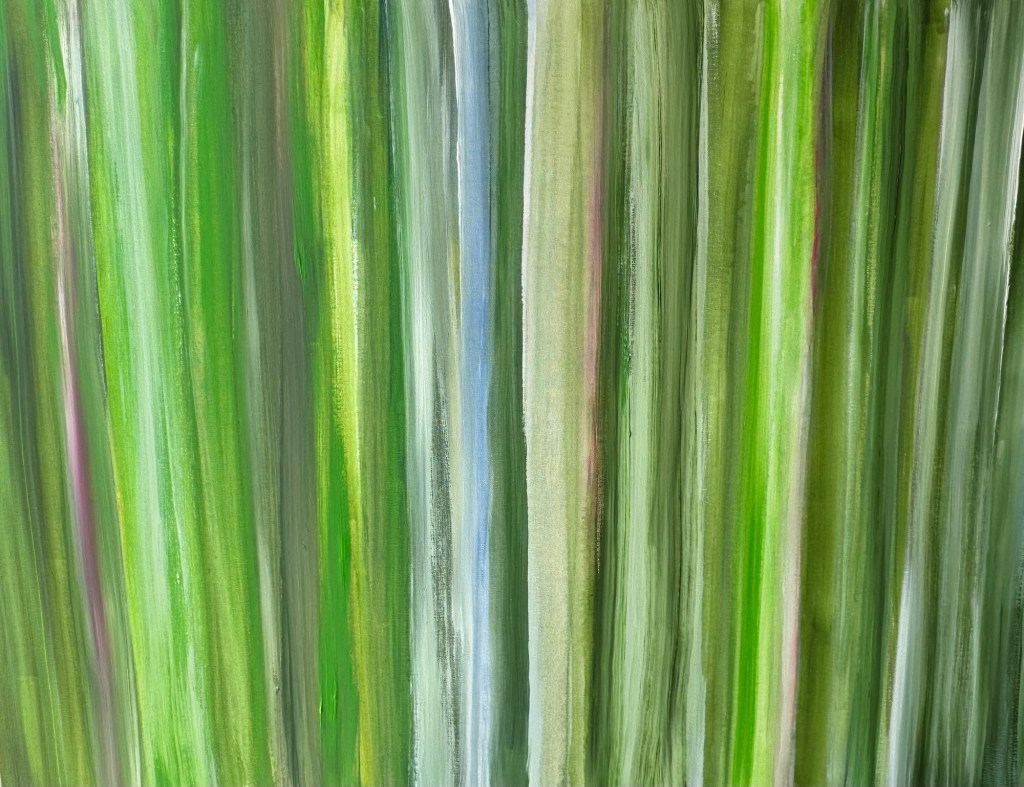
Stripey One

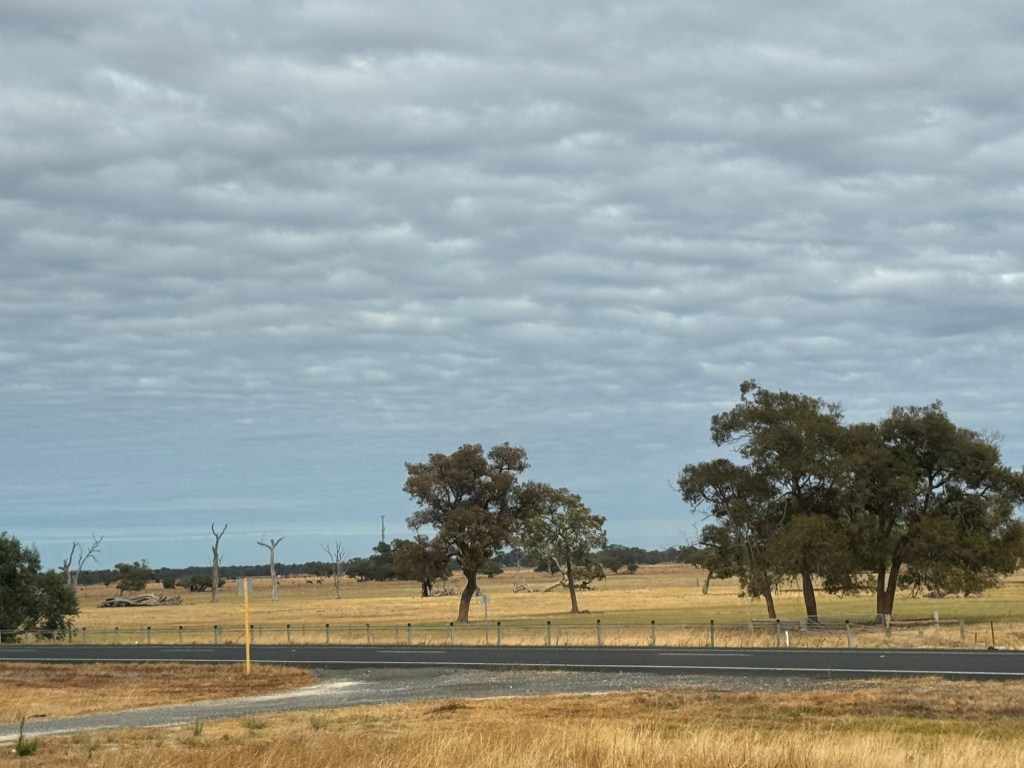
I’m waiting for a bus in a country town south of Perth when the police pull over a car and it stops in front of me.

I’d say this made me an unwilling witness to the events that followed but I was deeply interested, though of course I whipped out my sunglasses so I wouldn’t get caught staring .

There’re two women in the car. The one on the passenger side has short blonde hair, a buzz cut. She lays her seat back and theatrically pretends to sleep. I know she’s pretending because her arm is out the window and she’s tapping an impatient rhythm out on the door.

The driver, meanwhile, has burst into tears and fluctuates between swearing loudly and sobbing even more loudly. She bangs her hand on the steering wheel in frustration. JESUS JESUS JESUS, she wants to be heard. I’m not sure this is the best approach if she’s hoping to emit an aura of innocence. I keep that observation to myself.

One of the police, a woman with a degree in eye rolling gestures to her partner, then touches her nose, mimicking a snorting action.

When is your bus due?, one of the officers asks me, contemplating the clearly inadequate space for a bus to pull up should it arrive in the middle of all this. I interpret this as a suggestion they could be some time.

I start to get nervous. I’m hoping, because I’m paranoid and prone to melodrama, this isn’t a Day of the Jackal type scenario where the women are not possibly on their way to score meth from a skinny bloke called Troy or Ryan in a car park out the back of the local tavern.

Maybe they’re in fact, well disguised assassins on the lam, maybe they just pulled off a hit, a sniper shot at an impossible range, maybe at least five kilometres, maybe the woman pretending to sleep is actually trying to casually disguise the fact that her handbag is a high powered shot gun. Dismantled, obviously.

This could totally be one of those Eddie Redmayne scenes where everyone gets it, including the annoying sticky beak who is rubbernecking from the bus shelter a metre away from the kill zone.

Turns out it’s only an expired rego thing and they’re free to go and the speculation is more about me than them.

The woman who’s been crying punches the air in vindication, gives the cops the finger, then she and her mate drive off in a roar of defiance. My bus comes and I find a seat up the back, I jag the last one free so I don’t have to share with a stranger.

Before I got distracted by a routine traffic stop I was sitting at the bus stop practicing my new year resolutions, I was attempting to meditate in this instance via the medium of box breathing. It doesn’t feel natural. I’m easily distracted. I’m not good at the rhythmic counting. In four, hold four, out four, hold four, start again.

I was congratulating myself for successful efforts so far to adopt a new, low stress lifestyle. Last year was a bit of a cow for various reasons and I thought I’d front foot 2025 by trying different ways to rest my brain, especially the pursuit of creativity for its own sake and other general practices to slow down.

Slow down, you might reasonably ask in tones of rising disbelief. Didn’t I chuck my full time job in four years ago? Don’t I barely work? Even my writing hardly qualifies as an effort, my stories are like, 100 words long, if that. I swan around talking about books on social media. I fan girl authors at Festivals and call reading “research.” I claim selfies with celebrities as tax deductions.

Yes, I respond, bristling – all that stuff is very wearing on my brain. It takes concentration. And effort. And now that I’m pursuing a creative life, I need to do more arty stuff. Arty stuff that doesn’t require so much “learning” and “talent” and “skill.”

This is all a long winded way to both pass time on a coach from Bunbury to Perth and to announce I’ve taken up painting. Yes, I have. I’ve been reading up on the creative brain and apparently applying yourself to a creative pursuit of some kind without purpose or expectation of a finished product is Good For The Soul. Art for art’s sake. God forbid it makes any money or is of sufficient standard to be enjoyed by anyone else, that’s beside the point.

I am completely on board for this. I read the brilliant Holly Ringland’s book, The House That Joy Built and came away very inspired on the subject of creativity for its own sake. Highly recommend.

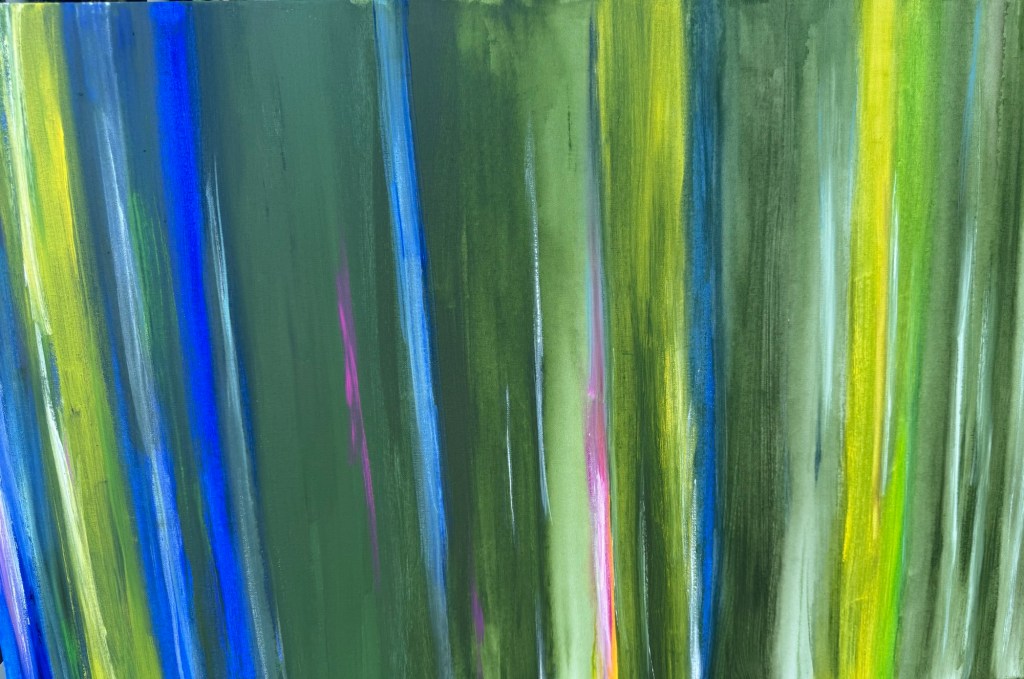
And only today, The Guardian reported on a bloke in Stoke-on-Trent who took up painting terrible pictures six months ago. His work is crude to say the least, he is proud to say. He’s got no talent but he enjoys himself tremendously. He’s inundated with commissions. Obviously I shall soon be joining him with my series of stripey paintings. There are two so far, illustrated here. Stripey One and Stripey Two.

Apparently, (and I would include the research if I wasn’t on the bus without access to the book, having narrowly escaped a genuine gang land criminal stand off in the mean streets of Eaton) apparently it’s very helpful to engage new areas of your brain, delve into uncharted areas of cognition as such. And it doesn’t come more uncharted for me than painting. I failed both art and tech drawing at school, spent a few months with watercolours painting buttercups badly in France once but I have never had a lesson. I am a bonafide novice.

I’ve been hanging out with my dad a lot the last year, and he’s the opposite. He’s educated in the field, he’s a beautiful painter. He has easels and canvasses and brushes and paint. He paints salt lakes and the red desert landscapes of his youth in the Goldfields. He’s not been too well so he hasn’t picked up a brush for a while.

Never one to let opportunity pass by, I decided to kick off my art for art’s sake campaign at his place. Some of the materials are a bit dusty, the paint tubes have mostly dried up from disuse but you’d be amazed what you can do cutting them in half and jabbing about with water and an old brush.

I can’t draw. Which is obviously a win given what I’m aiming for. So I am going for a loose interpretation of the form. I confess to googling some basic instructions – I look up ‘easy abstract painting ideas’ which was very useful I must say. There’s a wealth of information out there for the talentless and those devoid of ideas of their own.

People, I am a convert. I had so much fun. Who knew splashing paint around for nothing more than the thrill of it could be such a blast. Sure, my spirits were slightly crushed when dad tottered out to look at the result, snorted, and suggested I tried working on something good. Drawing a shape, for example, he said.

Out of my way old man, I said coldly. I am an artist. I am supported by science. I am being Mindful.

Then he asked for a pencil and showed me how to think about perspective and talked about vanishing points in visual art and he drew examples in my notebook. Precious times. I promised to practice then carried on slapping paint around regardless. It was a joy.

I’m here to tell you if 2025 looks a bit tense, I highly recommend finding a pastime you don’t need to master. Find something you aren’t going to be good at. That has no purpose. No potential for commodification. Do something solely because you might enjoy it. For fun. Chances are after a while you’ll start to experience something magical, a gentle stirring in your soul.

I am starting to remember what that stirring is, and why it’s lovely.

I think it’s called…play.

Stripey Two

Incantation poetry – a simple way to write every day

“We wake in the morning, buy yellow cheese, and hope we have enough money to pay for it.” Natalie Goldberg, Writing Down the Bones.

For me, good writing is more than a great plot and gripping characters, it’s the details that bring vitality. Ordinary moments tell you so much; a chip in a china teacup for example, a frayed edge on a blanket, whether an elderly gentleman’s shirt has been pressed, the way a character folds their hands neatly in their lap as they wait for a train. Small, specific details can lift a story off the page. I think it can be so useful to get into the habit of recording these specifics as part of your writing practise. You develop a keener eye for minutiae. It’s like exercising any muscle, it becomes part of your process, ingrained.

“Attention is the beginning of devotion.” Mary Oliver.

There are lots of excellent ways to polish your skills. A journal is an obvious start, but diaries are often quite self-reflective. It’s important to look outwards too, to pay attention to everyday details around you. One of my favourite exercises for this comes from author and creator of the Writing in the Dark newsletter, Jeannine Ouellette who practises so-called daily incantations. The idea is to spend five minutes each day in pure observation and note down what you see, in simple, clear language, in fragments rather than complete sentences, no metaphors, no flowery descriptors. I choose a spot and set my alarm, so it’s focused.

When you’re done, choose five observations that resonate with you for any reason, and put them in sentences in the form of a poem, starting each fragment with I am …. or You are….

It’s an easy, fun way to write without any pressure. It’s mindful, it sharpens your observational skills and encourages plain, clean prose, which is the cornerstone of good writing in any genre. Give it a go. And, do check out Jeannine’s website or sign up for her newsletter. It’s full of tiny diamonds that will stir your creative soul and remind you that sometimes the process of creation is more important than the outcome.

Here’re a couple of mine.

From the Window on the Bus to Eaton

I am a green-striped silver train.

I am a distant city, obscured by smoke.

I am a small grove of trees, burnt black by fire.

I am a clear, high blue sky.

I am a yellow car, from another era.

Hospital Waiting Room

You are a bear sitting in a paper plane, travelling across a night sky.

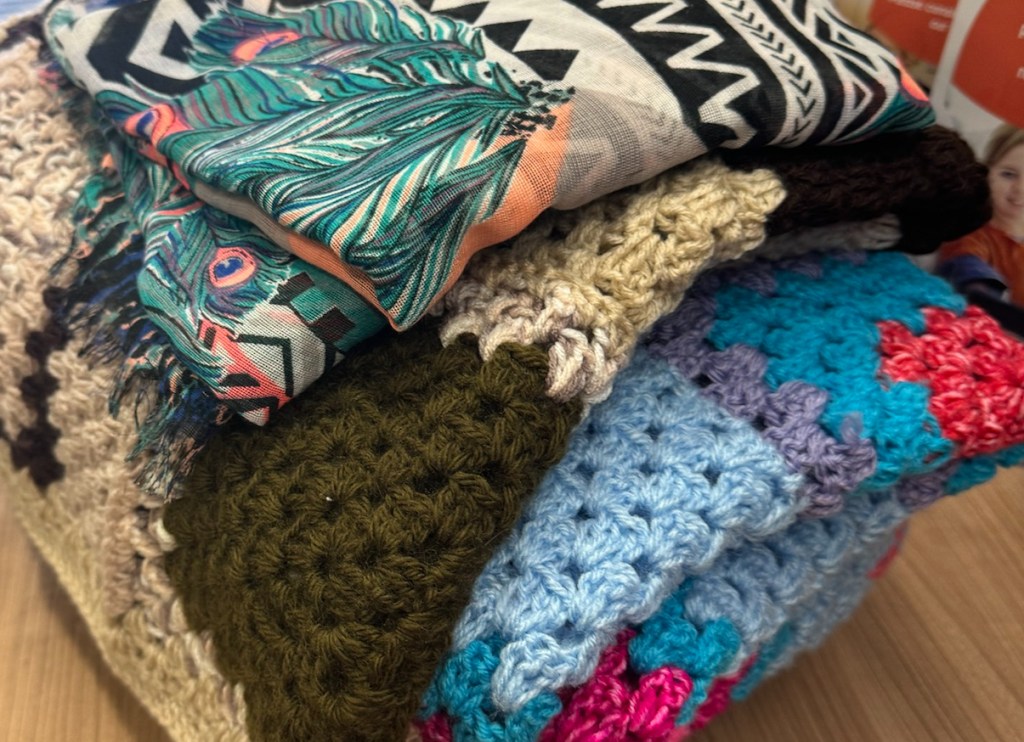
You are a neatly folded pile of crocheted blankets.

You are light falling on a beige formica side table.

You are a silver teaspoon, coffee stained.

You are an exit sign, green man running on a white background.

News

Some highlights in brief of a year traveling, writing and engaged in glorious conversations. In 2024, I’m looking forward to teaching my first writing workshop at the Society of Women Writers WA, hosting at Writers Weekend for Perth Festival, the Margaret River Readers and Writers Festival, judging the Ethel Webb Bundell Award for Short Stories and hopefully, fingers crossed because I am deeply lazy, writing more short fiction.

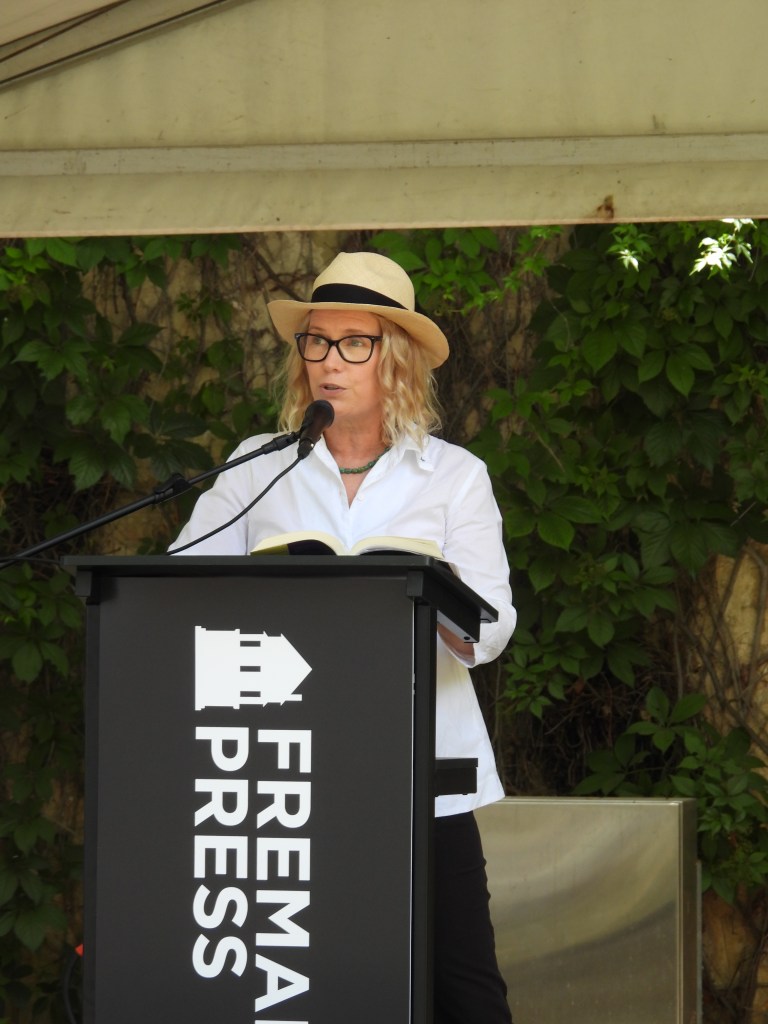
Reading from Into Your Arms, Nick Cave’s Somgs Reimagined at the Fremantle Press Author Showcase for Fremantle Arts Centre’s 50th anniversary.

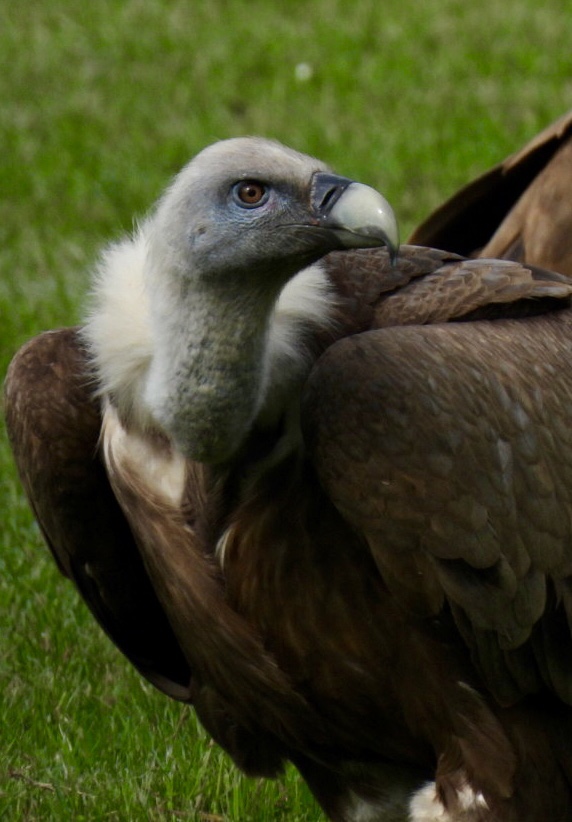
The first half of 2023 was a surreal delight. We travelled to England, Scotland, Norway, Germany and then spent five months living in France. I didn’t do a huge amount of writing, I drank too much rose, painted badly, baked bread, and stalked vultures and flamingos with my camera. I saw the ABBA Voyager concert in London with one of my beautiful best friends, Niomi. It was glorious. I spent every single day for the entire trip with my husband and I still quite like him. I might even do it all again if he asks me to.

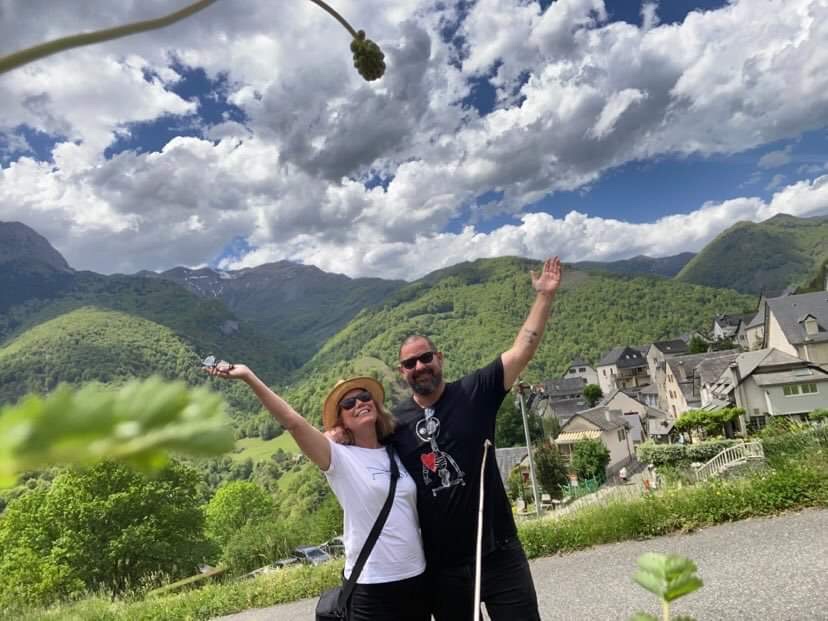
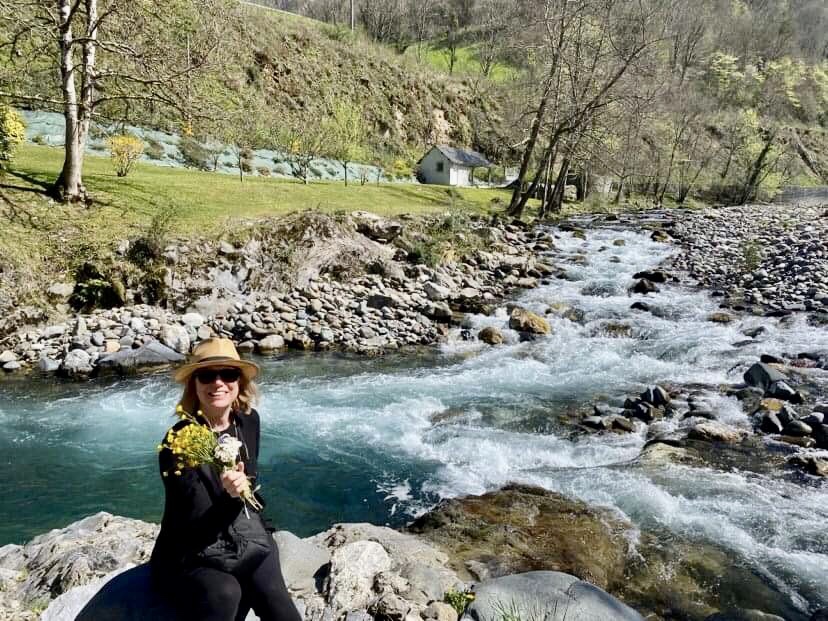
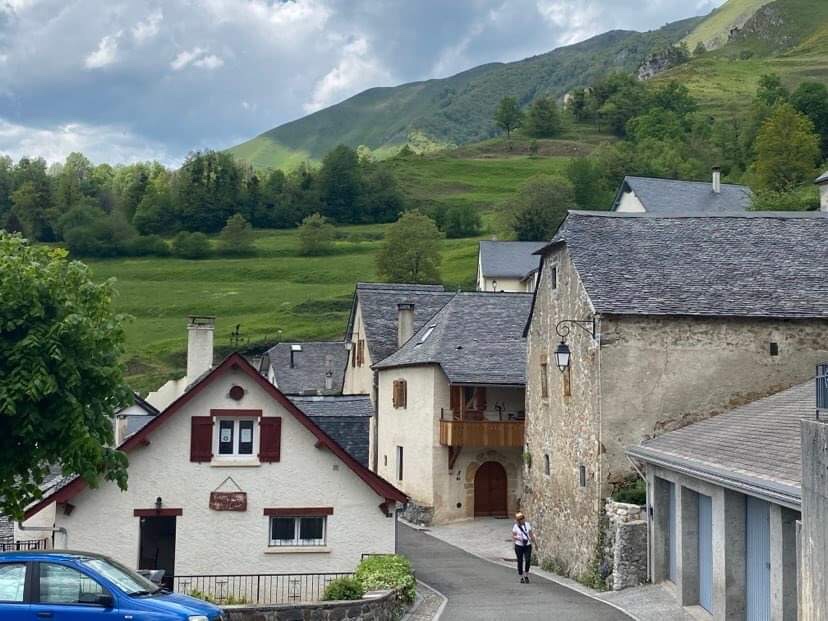
Aydius, Pyrenees France.

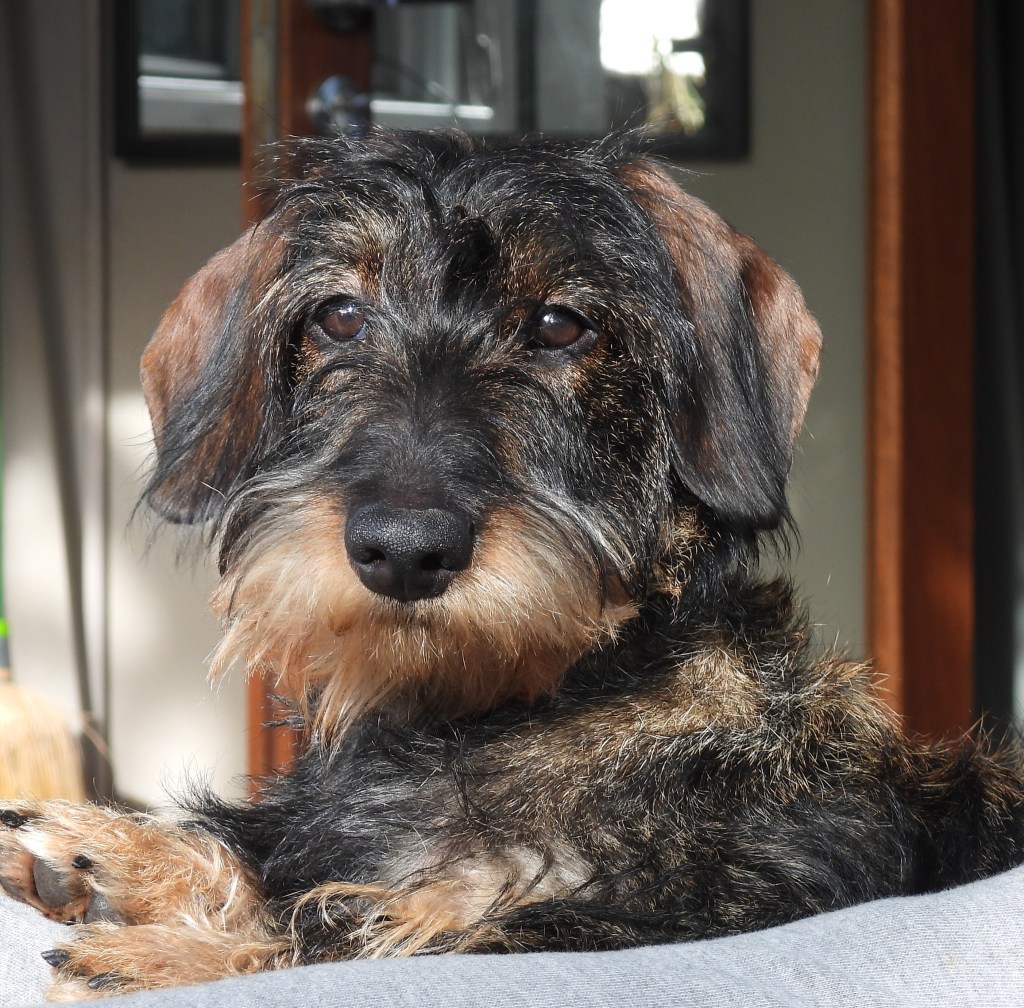
We also welcomed a new family member this year, her name is Lucy Maud Montgomery, but we call her Monty for short. She is very naughty and cheeky and I love her without end. We still miss our boys every day. When you love without measure your heart expands beyond limits, not even the universe will contain it.

This year I have felt a little like a spiderling in my writing world of short fiction, casting my spindle webs to the winds and seeing where they drew me. I have found new and deeper connections through all my writing groups. Both here in Fremantle, with Meg, Bella and Lissy and also online with friends from all over the world providing endless encouragement, sharing skills, support and inspiration. I aspire to be half as creative and talented as every one of them. So wonderful to also meet two of my online writing friends face to face for the first time in London. I can’t say enough about finding your people. It is such a lift and beyond priceless in learning more about the craft at every level.

Writing buddies, Sara Hills (left) and Electra Rhodes (right) in London.

This year I was beyond honoured to have a story chosen for the international Best Small Fictions anthology, a collection of work from 110 authors from all over the world to showcase the best hybrid fiction in a given year. An unbelievable dream. Thank you to the editor who nominated me. I wish I could hug you. My story, In This Tale of a Suburban Tiger, the Part of the Mother is Played by a Bird was originally published in the Irish Journal, Splonk. The anthology is out this month. Find out more and preorder here.

***

I contributed five micro stories to the ravishing anthology, Into Your Arms, Nick Cave’s Songs Re-imagined, edited by Kirsten Krauth, curated by Neil A White and Mark Smith, published by Fremantle Press in late October. The Albany launch was an absolute joy. Organised by contributing author, Jon Doust, we were charmed and moved by Simon and Tammy London’s music, with Caleb and Ted, and Uncle Lester’s generous Welcome to Country and funky bass. Order here.

With author Jon Doust at the Albany Entertainment Centre for the launch of Into Your Arms, Nick Cave’s Songs Reimagined.

Thrilled to be invited to host at Writers Weekend for Perth Festival in 2024. I’ll be facilitating the panel On Beauty, talking to Christos Tsiolkas, Holden Sheppard, AJ Betts and Madison Godfrey. The event takes place on February 25th at 3pm in the Discovery Lounge at the State Library. Tickets are pay what you can but you MUST book. Full program and ticket details here.

***

It’s been a really good year for writing. I haven’t been particularly prolific, but I have had some great highlights. I won the London Independent Story Prize for Flash Fiction for a 300 word story, Let Him Bury His Face in the Dust. It will be included in a print anthology out soon. You can read my interview here. I won the Fractured Lit Anthology Prize for my story, Into the White, you can read it here. There were 20 winners chosen for the US journal’s third anthology. I came second in the UK Flash 500 Award with Pumpkin and second in Aniko Press’s short fiction competition for my Wild themed piece, 1989. I have work in the upcoming Night Parrot Press memoir anthology and New Zealand Flash Frontier.

***

Charlotte Wood spoke to me about her new book, Stone Yard Devotional in November, a mesmerising account of a woman who gives up everything, home, husband and work to go and live a cloistered existence in a monastery outside Monaro. I found the form of this book, fragmented and quiet, absolutely compelling. My pick for best book of 2023. Thanks for inviting me, New Editions Bookshop. Obviously, I am now even more in love with Charlotte than I was before which was quite a lot.

With Charlotte Wood at the Old Courthouse in Fremantle

Fantastic conversation at UWA with Anna Funder, author of Wifedom, the story of Eileen O’Shaughnessy who was married to George Orwell. It’s also the story of how patriarchy renders the work of women invisible. I loved this book. Her writing is sublime. I was in a feverish feminist rage for months after. She’s so impressive. Thank you for inviting me, Boffins Books.

***

Charlotte Ree spoke to me about her memoir and recipe book, Heartbake at the glorious Open Books in Mosman Park. Charlotte was a delight, full of raw candour and hilarious wisdom. And really good recipes. It was also one of the several times I was lucky enough to have been on the receiving end of Kristy Diffey’s biscuits. She is a baking book biscuits legend.

***

What a heart bomb! Launching AJ Bett’s new book, One Song at the Fremantle Worker’s Club. A group of teenagers have just one weekend to write and record a song to enter Triple J Unearthed High. A joy of a book about finding your own path. AJ is an incredible writer, full of intensity and passion and I love her work. I made a bad joke in my launch speech but I think I got away with it.

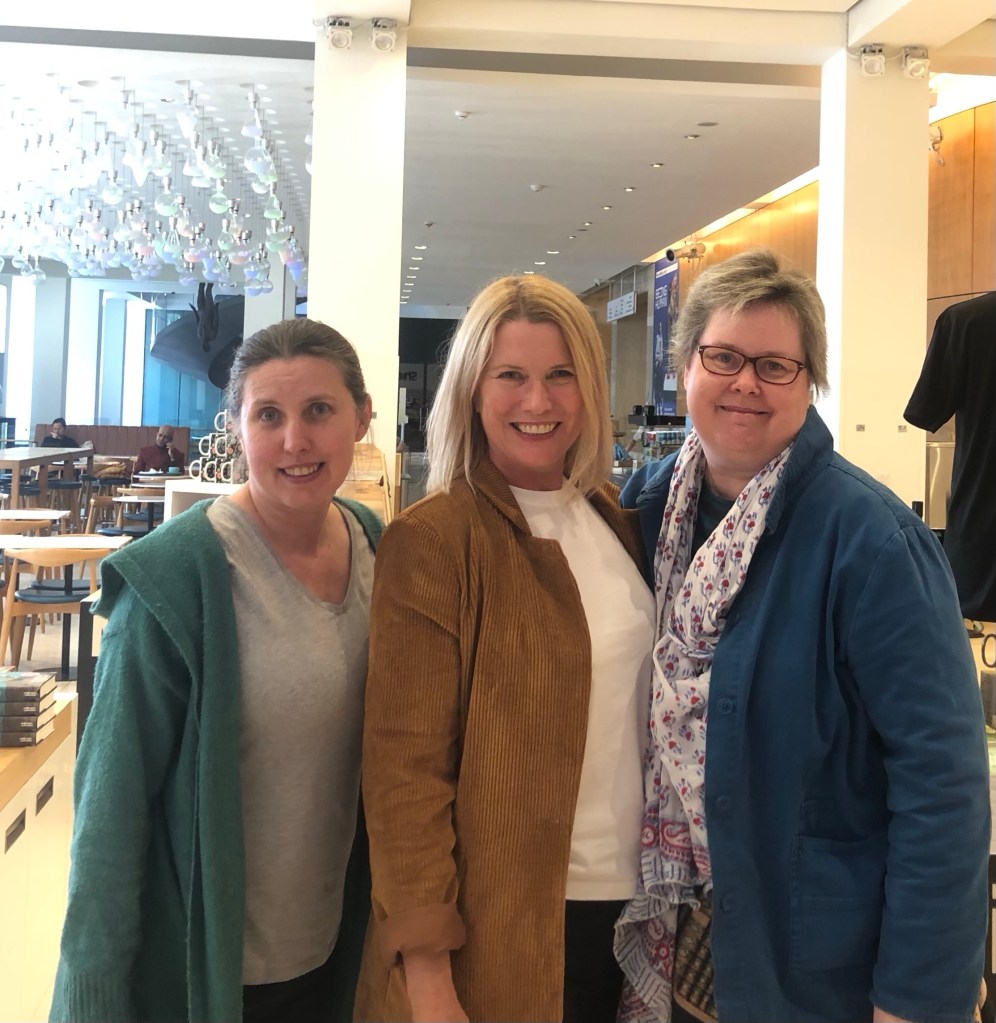
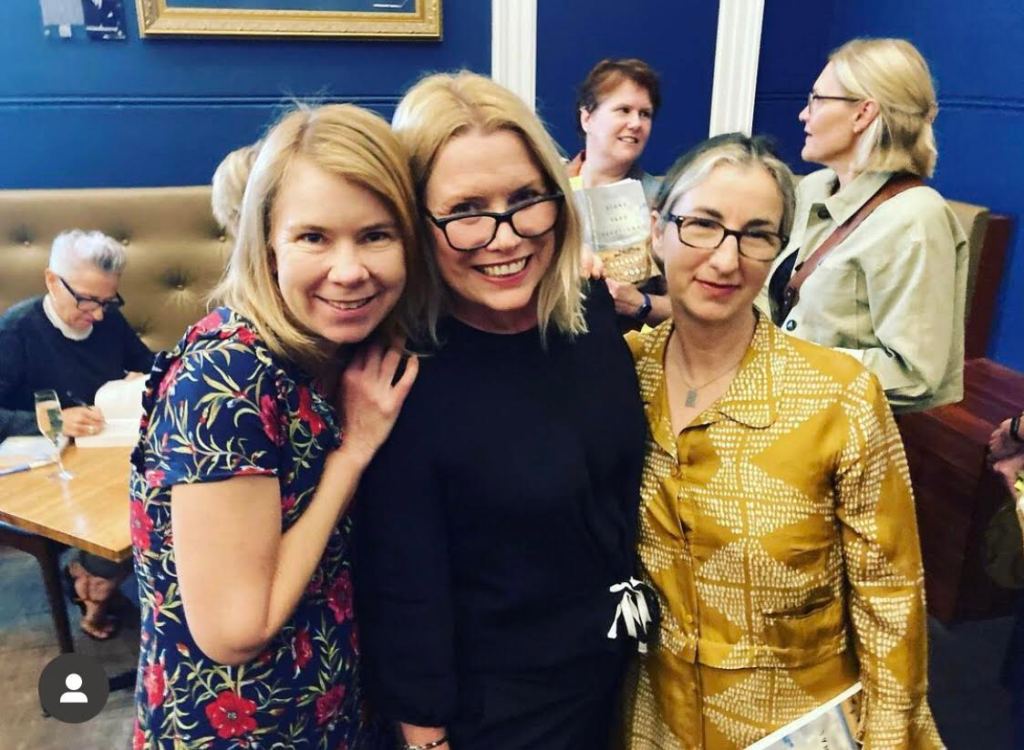
With authors, AJ Betts (left) and Belinda Rowe (right) at the Charlotte Wood event, November 2023.

A Perfect Waste of Time

I’m taking a bus to Eaton, going old school down the Forrest Highway to see my father. I have an hour wait at the Cockburn Train Station first, so I’m whiling away the time making small talk with my fellow travellers.

There’s a middle age couple holding hands on the bench directly next to me. Like me, slightly overweight, wearing comfortable shoes. We didn’t take much trouble with our outfits. She is tapping in her phone and sighing. I think the grandkids are being troublesome. He’s stroking her hair and she’s worried he’ll loosen her scrunchie. When I was younger I would have thought them beyond capacity for romantic love. Too old. But he’s watching her like she’s the Joanne Woodward to his Paul Newman, he can’t contain his delight in her, he’s planted a kiss on her head and the scrunchie is history.

An older man in long denim shorts, a pressed check cotton shirt and a neatly clipped grey goatee wants to make conversation. He has a heavy, ornate silver bracelet weighing down his wrist. It looks bespoke. Maybe a gift from a girlfriend or perhaps his daughters clubbed together for his 60th birthday to get him something special. He’s from Victoria and doesn’t understand why Bunbury doesn’t have an airport and the train takes almost five hours. He tells me you can fly further south into Busselton in less than an hour then drive up the highway but it feels like going backwards. He asks me to watch his bags while he goes for coffee and I say yes, then worry he’s a terrorist. Then I figure he’d be more likely to choose a bigger crowd if so. Three victims waiting for a bus feels like a pretty limp effort, even for practice. Still, I’m on edge until he returns.

I read the latest newsletter from my flash fiction heroine, Kathy Fish and she sends me down a Mary Robison rabbit hole. Mary Robison is a so called ‘minimalist’ short fiction writer from America, but as part of my burrowing I find an interview she gave to Bomb Magazine where she gives the suggestion short shrift. Along with the suggestion she pioneered the genre ahead of Raymond Carver. ‘That’s hooey,’ she snorts in response to the Carver claim and then she details why minimalist is a lazy description for her form and never considered it a compliment.

 “I detested it. Subtractionist, I preferred. That at least implied a little effort. Minimalists sounded like we had tiny vocabularies and few ways to use the few words we knew. I thought the term was demeaning; reductive, clouded, misleading, lazily borrowed from painting and that it should have been put back where it belonged. However, it did a lot for me (laughter) in that I received some attention other deserving writers did not.”

Then she says something about hanging out with Richard Ford and alligators and I download all her books.

The bus arrives, I get two seats to myself and it feels like a win. From my window seat the Perth sky is softened with scattered cloud, a relief after a summer of unrelenting blue.

I feel like I’m having a small adventure. I’m 17 again travelling on the longer haul bus from Perth to Melbourne. I’m running away. On my way over the Nullarbor with my thermos of cold tomato soup and a box of Ritz crackers which is all I can afford for the three day trip. The bus is full and I’m trapped beside a Saint Kilda bogan who wants to play me audio on her Walkman from all the parties she’s attended on her holiday. I don’t have the confidence to say no. It’s all Jimmy Barnes and jangled roaring for joints and cans of Bundy rum.
I don’t know yet what it’s like to long for home and for my mother.

I feel like I’m back in France again on a six month trip just a year ago, taking the bus to Barcelona with my husband, a last minute dash for transport when a train strike caught us by surprise. It’s also crowded and cramped, my knees are pressed into the back of the seat behind me and a smell of old sweat is embedded deep into the upholstery. But our hearts are full of plans for catching up with an old friend, touring tapas bars and long walks through historic neighbourhoods.

I don’t know yet that when I see Gaudi’s masterpiece, La Sagrada Familia, I will be overwhelmed by its ornate beauty and I will stand in its cathedral halls bathed in coloured light, and cry.

I don’t know yet when I walk outside the Barcelona sky will be an unrelenting blue to rival my home city, and I will hold hands with my love and he will brush a small leaf from my hair and I will kiss his face, because I can’t contain my delight in him.

“Toss me a cigarette, I think there’s one in my raincoat.

We smoked the last one an hour ago.

So I looked at the scenery, she read her magazine.

And the moon rose over an open field.”

I Hate it When Men Swim in My Lane

Not all men.

The man who inexplicably asks me why I’m not wearing goggles when I’m swimming breaststroke. “If that’s what you call what you’re doing.”

The man who pressures me to explain my injury when he stops me mid lap, unsolicited, to correct my flutter kick.

The man who joins my lane after I have begun swimming, then lets me know another lane has become free which he thinks “I might prefer.”

The man who ignores the ‘no diving’ sign and enters the pool with a flying leap and a bombie, sending a wave of water into my face and into the faces of the three elderly people who are walking in the lane next to mine.

The man who uses the water as a repository for the contents of his ‘bushman’s hanky.’

The man who says nothing when his son ducks below the water to grab me roughly by the ankle, and emerges without acknowledgment to share a laugh about it with his dad.

The man who sees the pool is busy and chooses the lane set aside for slower swimmers, the lane I am swimming in, then powers up and down in a ferocious freestyle, unapologetic whenever there’s a collision.

The man with the silver chain around his neck who takes regular breaks to survey the swimmers, who interrupts my laps to ask me how much longer I’ll be, who calls out, “I’ll miss you,” as I leave the water. “Don’t worry,” his mate tells me. “He says that to all the girls.”

photo: Stephen Ventura, Unsplash.

Peaks and Geeks

“Faeries, come take me out of this dull world,
For I would ride with you upon the wind,
Run on the top of the dishevelled tide,
And dance upon the mountains like a flame.” (Yeats)

Possibly because I grew up by the ocean in Bunbury where the tallest natural structure was a sand dune down the road from Hungry Hollow beach, or possibly because I’m contrary, I’ve always been fascinated with mountains. They’re so imposing. So awe-inspiring. So….mountainous. I have no urge to climb them. I just like to look at them. In all their seasons; in shifting light, snow-capped or summer-swathed in green, I am enchanted, mesmerised, compelled and overwhelmed by them.

The bloke and I spent part of our honeymoon ten years ago in the Swiss Alps, which was my first experience of proper mountains. I was beside myself. I was an emotional tsunami of joy. There was an unfortunate incident that may or may not have had anything to do with the gallon of Bacardi and soda I drank at the local bar (‘The Snow Boat’) one late, snowy evening. I staggered back to the hotel, propped up by the bloke, periodically hurling myself into snow banks to make angels and then I stayed up late feverishly crafting a group email to all of my friends. And acquaintances. And my boss. It included such glowing musings as the now notorious: “Mountains, what are they?”. There was something about Heidi and an urge to frolic with goats and drink milk from a bowl. You get the picture. Cruelly, the bloke likes to remind me of my shame now and again, mostly whenever I come over all earnest about anything much. All he has to do is squint meaningfully off into the distance, stroke his chin and say mountains…….

I’d like to say I’ve grown more sophisticated with travel but, well, no. I’m as easily lost to bouts of misty-eyed wonder as I’ve always been. The two months we have spent in the French Pyrenees have been beyond incredible. Leaving aside 17,000 square kilometers of mountains for a moment, the people are delightful, the cheese is brilliant, they squeeze a good grape, and I’ve spent more time frolicking through meadows of buttercups and violets and poppies than is good for anyone trying to maintain some scrape of personal dignity.

Bedous, which is our local village, is tiny and delightful. It’s in the Valley Aspe, surrounded by an array of glorious peaks, with a population of less than 600. There are walks and hikes everywhere you turn. The food is brilliant. Our favourite restaurant overlooks a river with a view of slate roofs, stone houses and a rainbow of coloured wooden shutters. It serves a set menu of whatever the chef fancies is good that day, he tops his rose up regularly from a cask in the fridge and he likes to play records while he cooks. He is particularly keen on jazz fusion. His gloriously elegant wife hosts. Bedous also has a very successful rugby club which has been vanquishing their local rivals all season. I have been hanging out at the pitch a lot but not for the rugby.

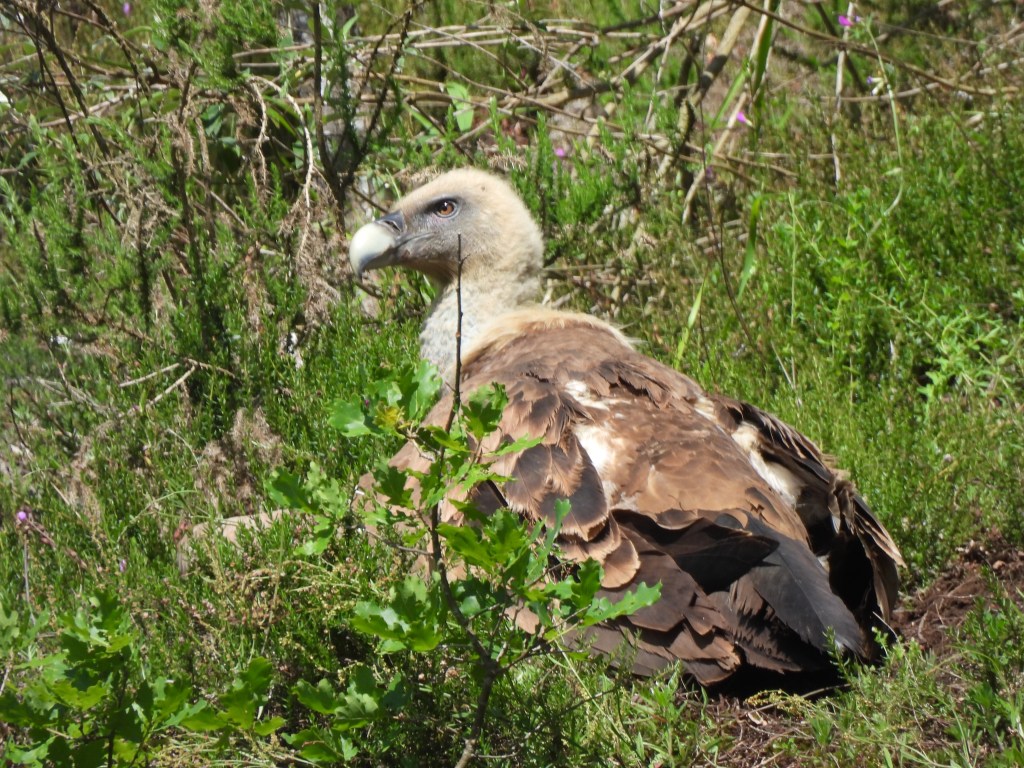
One of the attractions in the Aspe Valley and its surrounds is the bird life. This part of the Pyrenees is one of the best places in the world to see raptors and carrion eaters. The mountain ranges provide brilliant nesting spots for red kites, peregrine falcons, and a variety of eagles and vultures. I have been on a mission to spot vultures since we arrived because I’ve never seen one. There are plenty wheeling high over the peaks but I really wanted a closer view. The Pyrenees have Egyptian vultures, the Griffon vulture and the awe-inspiring Lammergeier, or ‘Bone Breaker’ vulture, which eats mostly bone marrow and accesses its dinner by dropping the carcass from a great height onto rocks to crack open the bones. The acid in its stomach is strong enough to dissolve any small bits of bone.

Vultures are scavenging birds, so they only eat dead animals. They don’t have the strength in their beaks or claws to carry live prey. Along with eagles and kites, they were hunted and poisoned into near extinction at one stage, and in the 1960s there was only one small colony left in the Pyrenees. There was also a farming policy as a result of mad cow disease to remove the carcasses of livestock so that took away a crucial food source. There are now programs to protect them across France, which involve new farming practices and nature reserves. It’s clearly working. The place is riddled with vultures. They’re like seagulls. Only bigger.

They are incredible to see. Beasts in flight. They’re over a meter tall and their wing spans are almost three metres wide. So impressive. When they unfurl their wings, you half expect a menacing cry to follow but they apparently only growl like puppies a little when they’re feeding. They glide for up to seven hours a day in the sky looking for prey and use thermal air pockets to stay aloft because flapping those enormous wings takes a lot of effort.

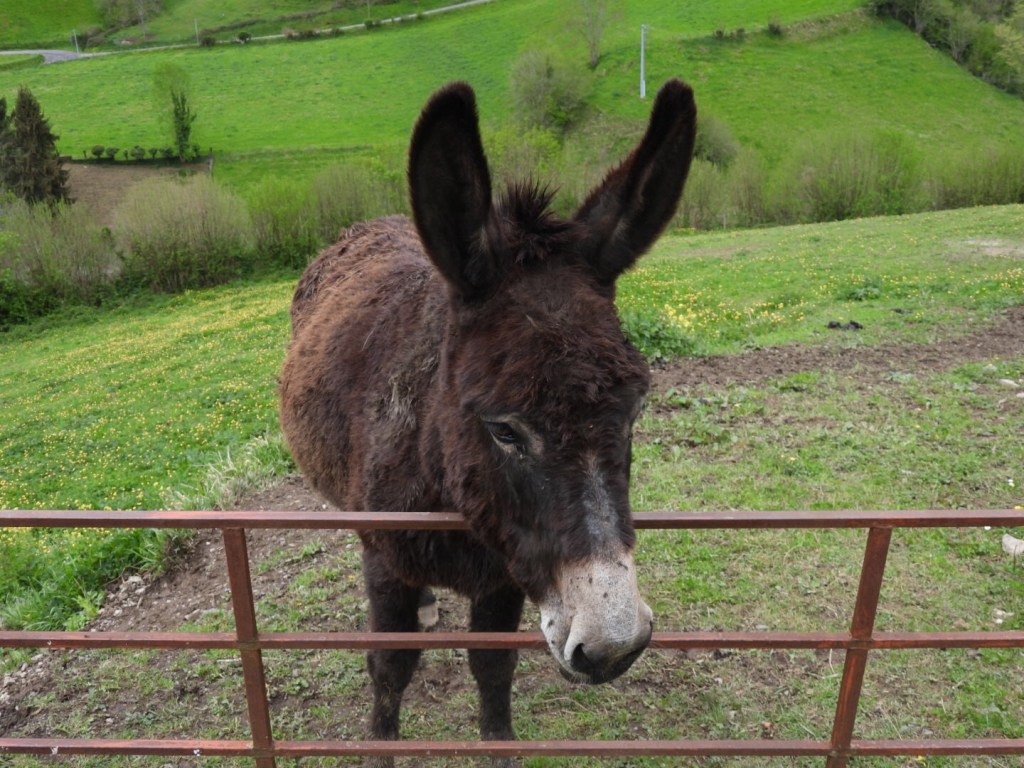
I have spent a lot of time in the last eight weeks trying to track them, including stealthily clambering up mountains, and lying still for hours in patches of wet grass with my camera at ready in well-known vulture hangouts across the valley, to no avail. Once a few loomed low over a paddock containing a couple of sickly-looking donkeys and I nearly saw them properly but I was distracted by a dog scuffle that broke out at my feet at the same time and I missed it.

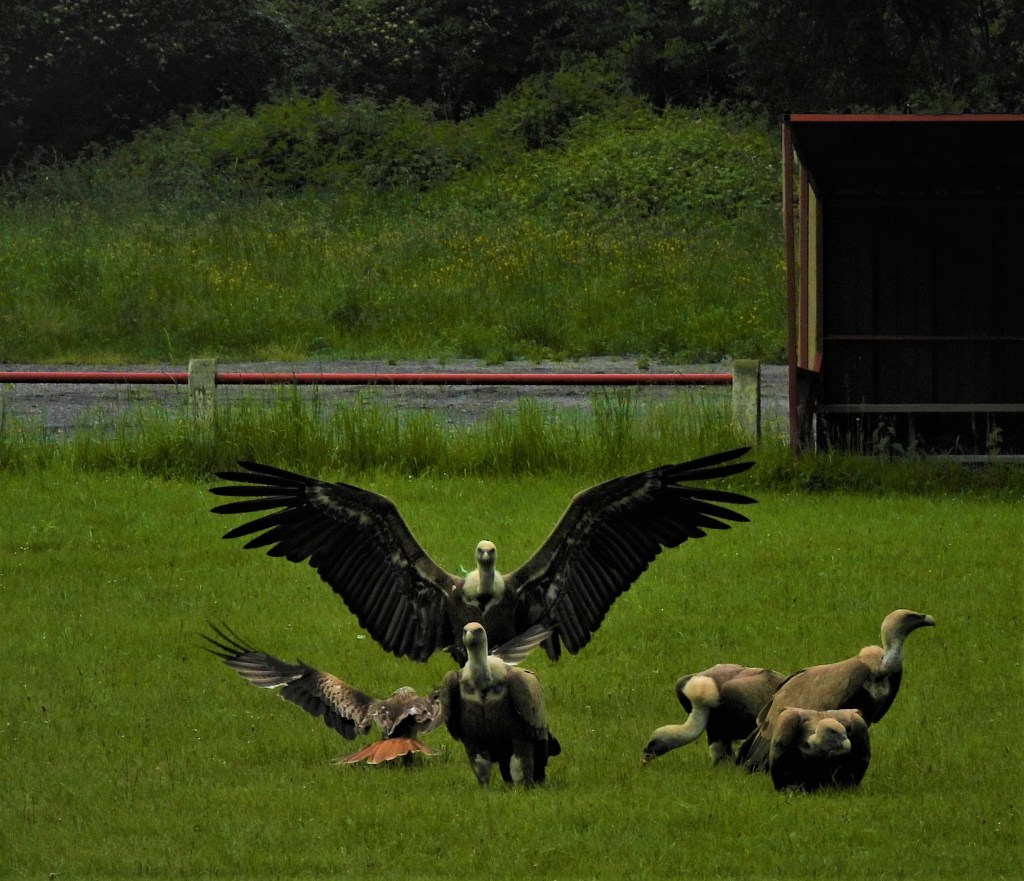
Long story short-ish, I could have saved myself the trouble and wandered down to the Bedous rugby club on a Wednesday or a Friday morning where the groundskeeper has been feeding vultures and other raptors for some years now. His name is Guy. The local supermarket donates meat past its sell-by date and he sits in his back garden near the railway line, next door to the club and cuts it up the afternoon before.

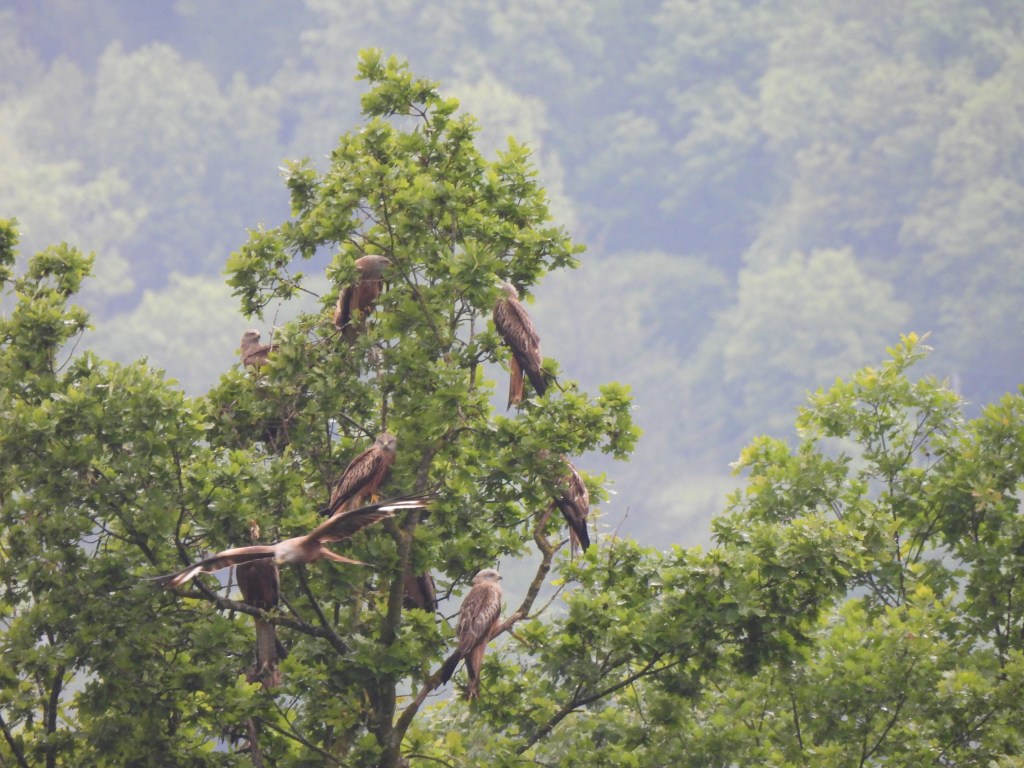
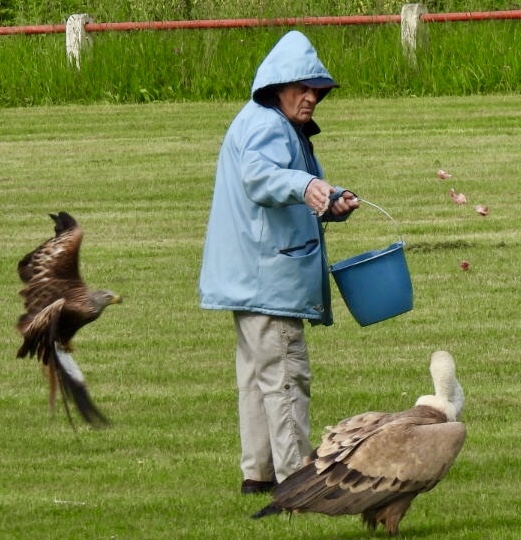
At least an hour before he arrives, the red kites begin to circle in numbers. I counted roughly one hundred just this morning. Others hang out in the trees that fringe the oval, clearly to get a good spot early. The vulture colony lurks further back on a nearby rocky outcrop and waits. At ten promptly the groundskeeper emerges with his blue bucket and is immediately surrounded by a Hitchcockian cloud of hungry raptors. It’s an all-you-can-eat free-for-all and quite the vision. Of all of the participants, I’m not sure who is the most excited, me or the birds. Honestly, watching these magnificent creatures, hopping about at his feet like chickens is one of the most beautiful and wonderous sights I have ever seen and I’m not ashamed to tell you that I was once again overwhelmed with the emotion of it and burst into tears.

I’m not sure what the mountain folk make of me, to be honest. I think I am becoming a regular sight, crouched in ditches or teetering off high fences taking random photographs of birds and weeds and rocks. To me, it’s all beyond beautiful but must be pretty ordinary if you live here. Maybe not. Maybe you never get tired of the rippling chatter of hedge sparrows and swallows dancing through the air like fairies in flight or the joyful sight of rambling roses and carpets of wild mint and strawberries that scent the air as you wind your way through. There is so much life here, even tiny flowers and weeds find their place in the most inhospitable of beds; crumbling stone walls, steep rock faces, and cracks in roads and fences. They’ll grow anywhere. I love their grit and optimism.

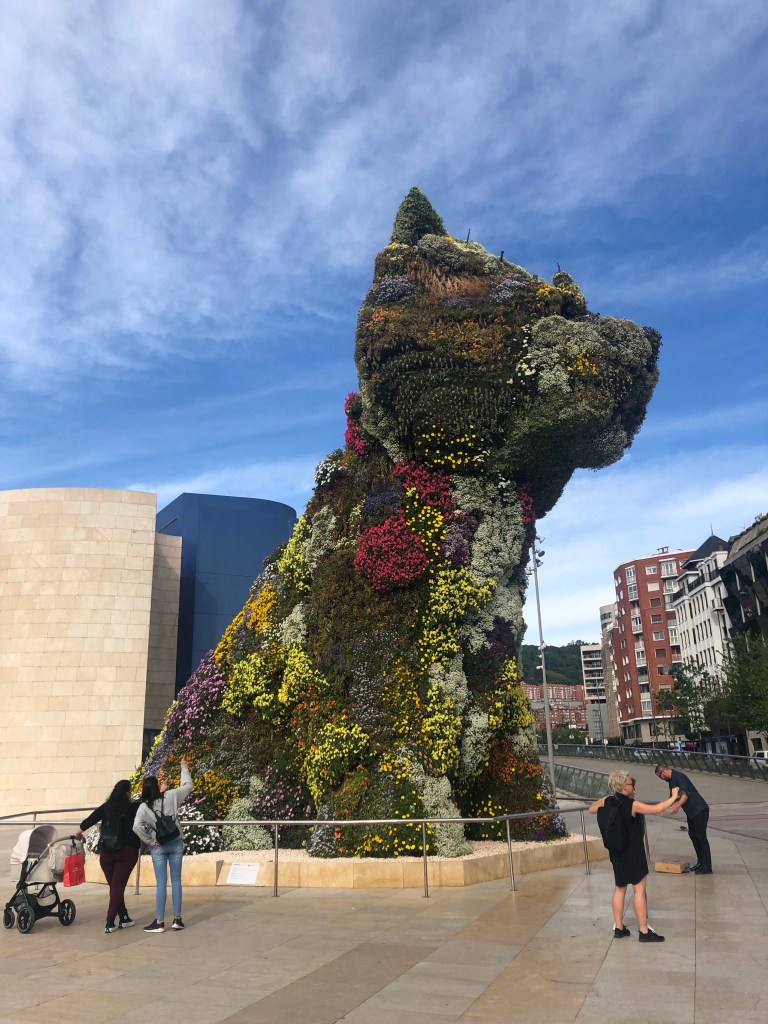
And this part of the Pyrenees is so close to Spain. We nipped over the border to Bilbao to visit the Guggenheim Art Museum a few weeks ago. One of the most incredible feats of architecture I have seen. We saw the giant Jeff Koons flower puppy outside, constructed in 1992, it’s a monument to the sentimental, with no other meaning than to inspire happiness. On the other side of the museum, near the river is Maman, by sculptor Louise Borgeous, a huge spider over nine metres tall, inspired by her mother, a weaver. Bilbao is a gorgeous city, well worth the trip. We stopped off in Saint Jean du Luz on the way back to the Pryennes and treated ourselves to a hotel by the ocean in the latter. So gorgeous. Right on the ocean, the swimming pool is heated seawater and you can swim while gazing over the beach to the old Napoleonic fort that guards the coast. Back in the day, Louis, XIV once moved the entire Versailles court down there to marry Marie Teresa.

We had dinner in the hotel and were watching the sunset over the ocean feeling pretty happy with our lives when I had such an unexpected and overwhelming wave of longing for home. It hit me like a train. I think my heart felt it before my brain caught up because one minute I was lovingly holding my husband’s hand over champagne and an amuse-bouche, gazing at the sun setting over the sea when I realised I hadn’t seen an ocean sunset for six months and I completely dropped the bundle. I wasn’t just shedding the odd gentle pretty tear either, I was honking. Obviously, I panicked, and so did the bloke. I tried to make a quick dignified escape to the loo but was waylaid by at least five concerned waiters on the way, who clearly thought we’d had some kind of awkward uptight English bust-up. Anyway, I over-explained the situation in broken French and English, which didn’t help because I was howling too much to be understood in any language. Tres mortifying. For a woman having the time of her life, I have been crying a lot.

But what an adventure. I can’t even begin to process it. Not just the experience of looking out at so many new worlds, but also the six months Glynn and I have spent with each other. We’ve been together every day. We talked about it before we left, we love hanging out but we were also prepared for bickering or occasionally being sick of the sight of ourselves and each other. But it’s been wonderful. I love travelling with him, he is so brave and curious and friendly, always kind, good at meeting new people, and always willing to have a shot, even when he’s apprehensive. I didn’t think I could love or like him more, or that I could learn more about him after fifteen years, but there you go. He’s still my favourite place. He’s been playing some brilliant music too. I asked him to chuck together another playlist if you’re interested. Here’s the link.

Glynn’s Pyrenees Spotify playlist

In the last six months, we’ve been to London, Scotland, Norway, Germany, France and Spain. I might have to stop saying I’m not very well-travelled. I can hardly believe it. In the meantime, I guess this latest post is the French equivalent of my rambling well-sauced Swiss missive but this time I am completely sober, so in that sense at least, I am very much matured. Like a fine French wine. Hic.

What I’ve been reading

I enjoyed Ariadne, if you like Greek Mythology it’s fun. It retells the legend of the Minotaur from his sister’s point of view, but I think its selling point as a feminist interpretation is a bit strong, considering she ends up mooning around after Dionysus on a small island off the coast of Troy. I absolutely loved Lessons in Chemistry which I have been saving for my holiday. If you want a book that eviscerates the patriarchal structures of 1960s America in an easy, fun and charming read, this one’s for you. It’s smart, readable and adorable. I’ve also read a preview copy of the new AJ Betts, One Song and I am SO in love with this book. I think it’s her best yet. Maybe that’s because I felt like she had gone back in time, reached into my teenage chest and torn out my still-beating heart. She has a gift that way. More on that soon so keep an eye out on my Facebook page Gillian O’Shaughnessy or my Facebook bookclub, Reading Between the Wines.

These gentle days

“I felt like lying down by the side of the trail and remembering it all. The woods do that to you, they always look familiar, long lost …. like an old dream, like a piece of forgotten song drifting across the water, most of all like golden eternities of past childhood…” Jack Kerouac.

Nature is never in much of a hurry, is it? Everything seems to move more slowly here in the Pyrenees, it would be graceless, somehow, to rush through with no appreciation for age and for the old time that is steeped deep into the stone. Mountains, rivers, and old forests will make you feel smaller in the best way.

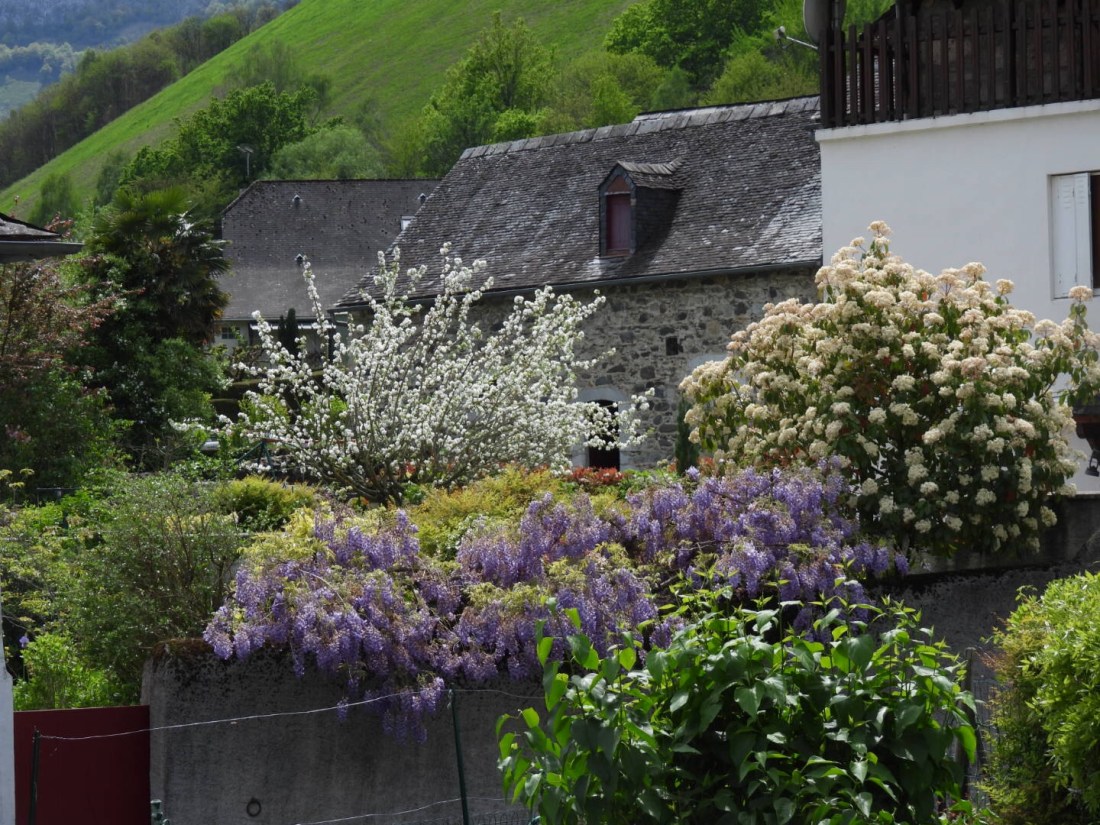
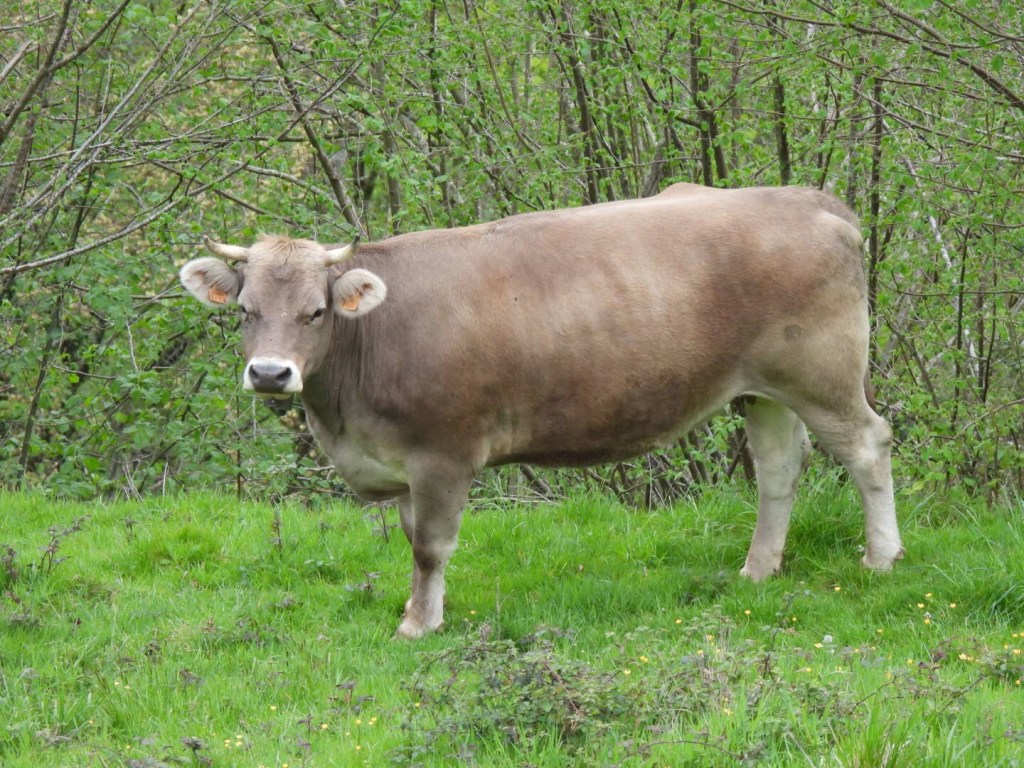
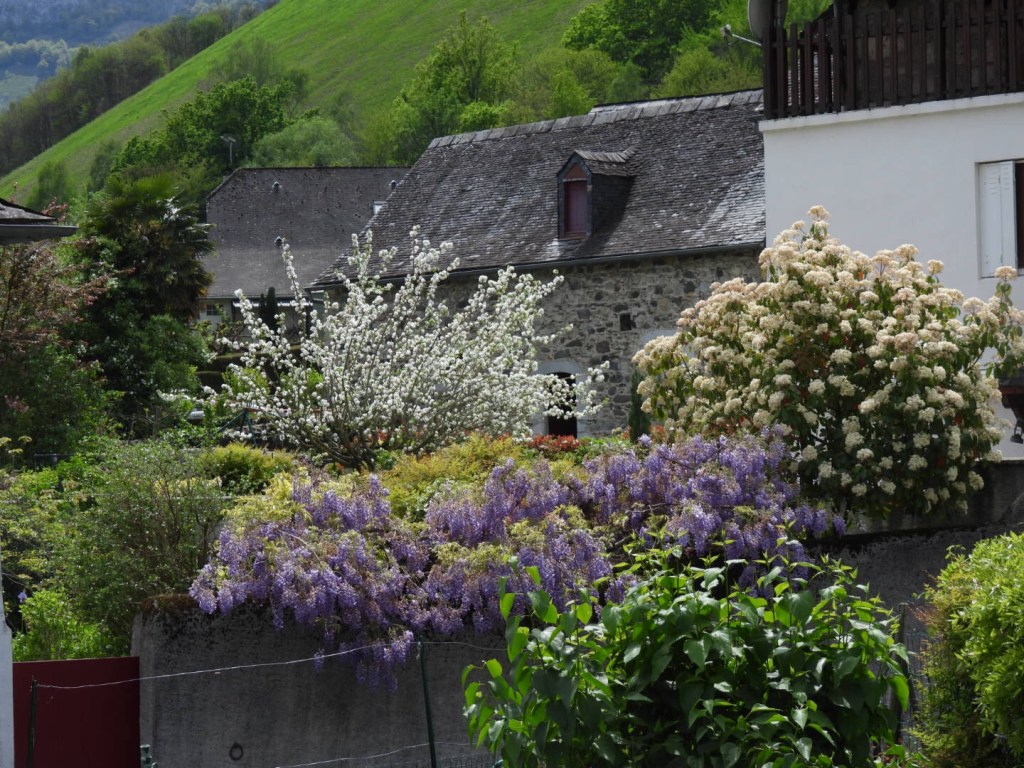
So, I have been perfecting the art of moving at a less frenetic pace. Walking along the mountain trails, stopping every few steps to take in the peaks – many still capped in snow almost a month into spring- and the green valleys and smooth undulating hills. We stop for lunch or afternoon wine in tiny villages dotted along the river, filled with shuttered stone houses, laneways festooned with rambling roses and pale purple wisteria climbing and drooping from fences and barns and over porches. In the pastures and along the roadsides, long grass is bright with buttercups and daisies and forget-me-nots. The woodland paths, shaded by oak, birch, fir and beech trees, promise carpets of bluebells and violets, wild strawberries, and ferns. Butterflies, colourful as flowers, some as tiny as a newborn baby’s fingernail, twirl in spirals in the most joyful of spring dances and the red kites and griffon vultures glide in a high sky across the day. There are donkeys, sheep, sturdy draught horses and cows with bells around their necks which clang a gentle rhythm that travels through the valleys. They would be out of time with any of the songs I’m used to hearing but fit in perfectly with the music of the Pyrenees; the songbirds, the woodpeckers drilling out their spring nests, the whistle of raptors and the rush of river and stream over stone. It’s impossible to move through here unaffected.

The Pyrenees are full of wonder. It’s a huge mountain range, a natural border between France and Spain and Andorra to the east. It covers 19,000 square kilometres and includes 200 summits over three thousand meters high. There’s a small population of brown bears that roam wild here, and wolves, once extinct in this area, which have been reintroduced. There are four kinds of vulture, including the awesome Lammergeier or Bone-Breaker and the Griffon Vulture, with the classic bald head, long drooping neck and hunched brown shoulders. We’re in the western Pyrenees, staying just outside the small villages of Sarrance and Bedous. It’s as pretty and magical a place as I have ever seen and I could make a small nest here and settle for life, one little bird among many.

The people are, like everywhere else we’ve been in France, delightfully friendly. They know how to live slowly. Even the supermarket closes for two hours over lunch. Very few of those we have met speak any English, and the bloke, who can make himself well understood in the city, struggles to speak a French the locals here can follow. There’s definitely a difference in pronunciation, we think that’s due to the proximity to Spain, a lot of people speak a mix of Catalan and French, or a dialect somewhere in between here. I have no hope, I can manage, bonjour and I can apologise for my terrible French, desole but I have generally resorted to charades. No matter, the locals are very welcoming and we get by. It’s not such a huge tourist area, too far from the ski slopes, but there are a lot of professional cyclists who stay in the area, they stream past us often on these steep and narrow mountain roads, training for the Tour de France which runs through this region. You’d have to be brave, that’s all I can say about that.

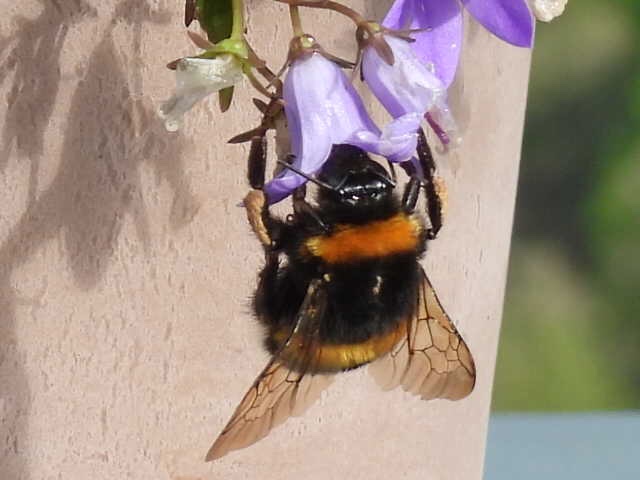
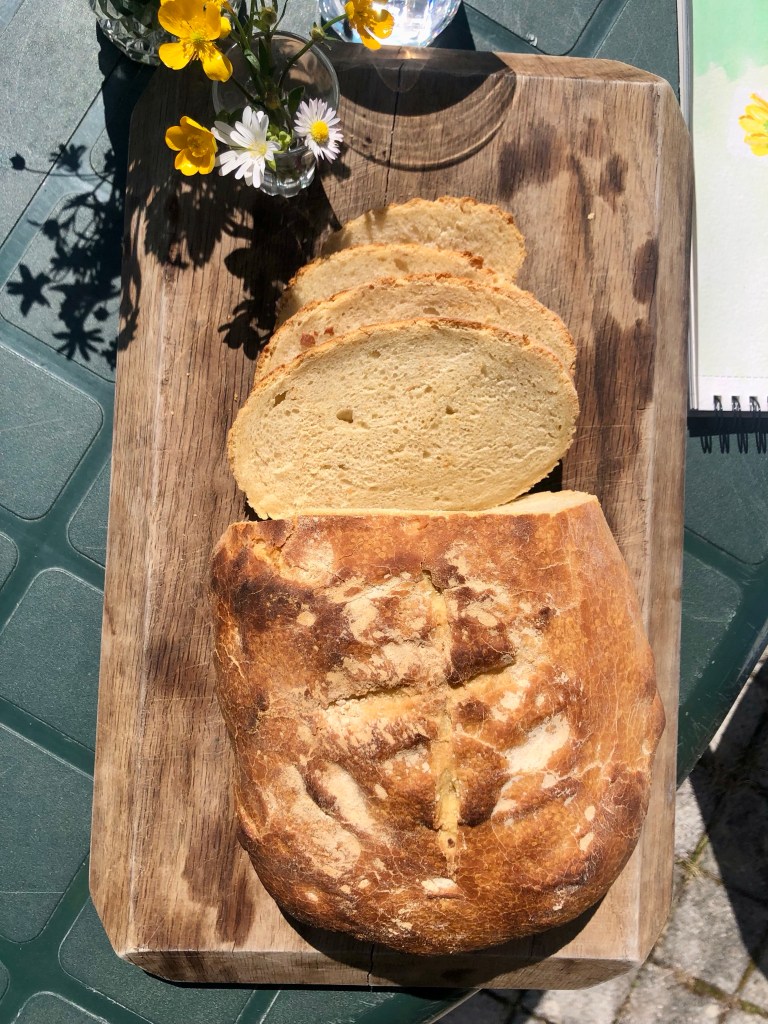
Aside from my obsession with nature, I’ve taken to other gentle pastimes. I’m probably the most wholesome person that’s ever been born, I think. Apart from the wine. I’ve taken up baking bread, with various levels of success, and I am painting watercolours. I have no talent for the latter, but I have come to realise in the last few weeks that the journey can be more important than the destination and that not everything has to be perfect to be perfectly fun. I am loving the mindful peace of sitting in the sun out the front overlooking the valley squinting at a dandelion or a buttercup and trying to mix a yellow that comes close to the sunny glow of them. Or crouching in a patch of long grass, admiring an exquisite spider-web, jewelled by dew or trying to absorb the detail of a fat bumblebee in flight or with its head buried in a flower, so I can fail utterly to capture it on paper later.

I know I say this every time, but I love it here. I feel small and happier for it. There is nothing like being humbled by nature, connected; reminded of your place within the timeless immensity of it all. Of finding overwhelming wonder above you in the sky, before you in sweeping landscapes of stone and water and tree, and at your feet, in myriad miracles taking place before your eyes if you can forget yourself long enough to see them. I am remembering. I am remembering.

What we’re listening to: Glynn’s Pyrenees Playlist:

Basic bread recipe

Things are a little rudimentary in the kitchen here, I have no scales and the measurements in my recipes doesn’t quite match the standard French measurements so I have to guess the yeast and flour. But the oven’s good and the loaves are coming out ok. I had forgotten how restful the process of making bread can be. I’m looking out the window at a garden full of wildflowers, and a vast expanse of Pyrenees mountain range and feeling pretty pleased with myself. I can hear the insistent, gentle clang of cow bells which means the neighbour’s two cows, which we have named Bonnie and Clyde are ambling across the field our way to poke their gentle heads through the brambles and say hello.

Ingredients

Two cups of strong bread flour, white or wholemeal.

One packet and a bit of dried yeast.

Two teaspoons of salt.

One teaspoon of sugar.

Three tablespoons of olive oil.

About three hundred mls of lukewarm water. Too hot and you’ll kill the yeast, too cold and it won’t activate.

Method

Mix all dry ingredients except for the yeast roughly together, then add the yeast last and mix that in too.

Add olive oil and about half of the water. Mix well to a ball of firm dough. Add more water if needed.

Knead well for 15 to 20 minutes.

Shape into a round ball, place in a large greased bowl and cover in cling wrap or a beeswax cover. Cover again with a tea towel and leave to rise for at least an hour, best overnight.

When doubled in size, knead again briefly, shape into a bread-loafish looking ball, cut a cross in the top about 6 centimetres long and bake at 220 degrees c. until it looks nice and brown. You can take it out and tap its bottom if you like. It will sound hollow when it’s done.

I have safely stuck it back in to bake for a further five minutes if I reckon it needs it. It won’t be as consistently good as it would be if you have all the bells and whistles but it’s pretty hard to ruin bread entirely. Half the fun is having a go.

What I’m reading

I’m reading so much poetry at the moment, it’s fitting here in the mountains. Margaret Atwood, Sarah Holland – Batt, Emily Dickinson, Judith Wright. Dog Mountain is by K. Iver, a non-binary trans poet from Mississippi. I found this so beautiful and moving. Their book, Short Film Starring my Beloved’s Red Bronco won the 2022 Ballard Spahr Poetry Prize and they have a PHD in poetry. Follow them on Twitter @k_ivertown or kleeiver.com